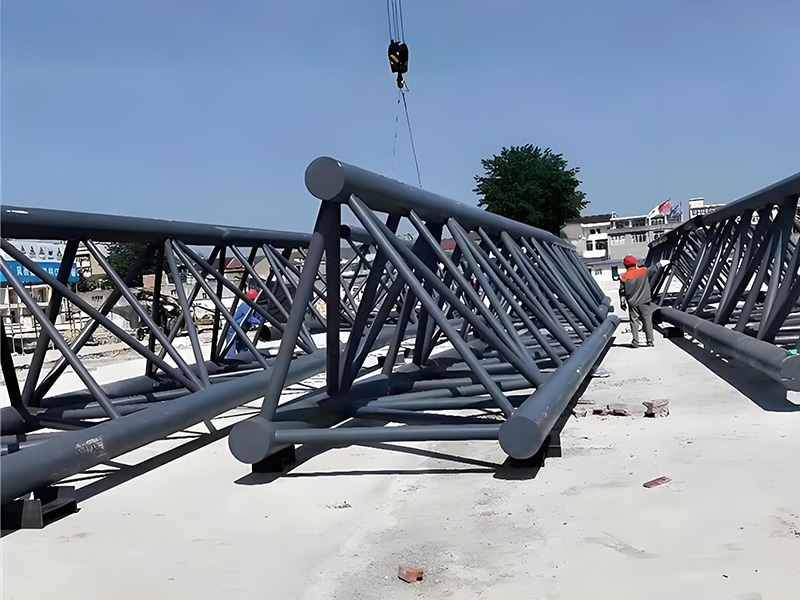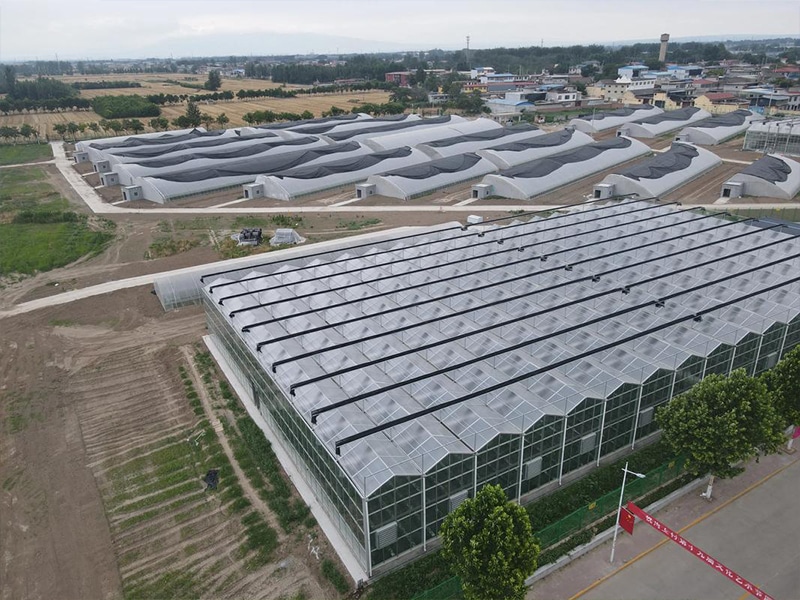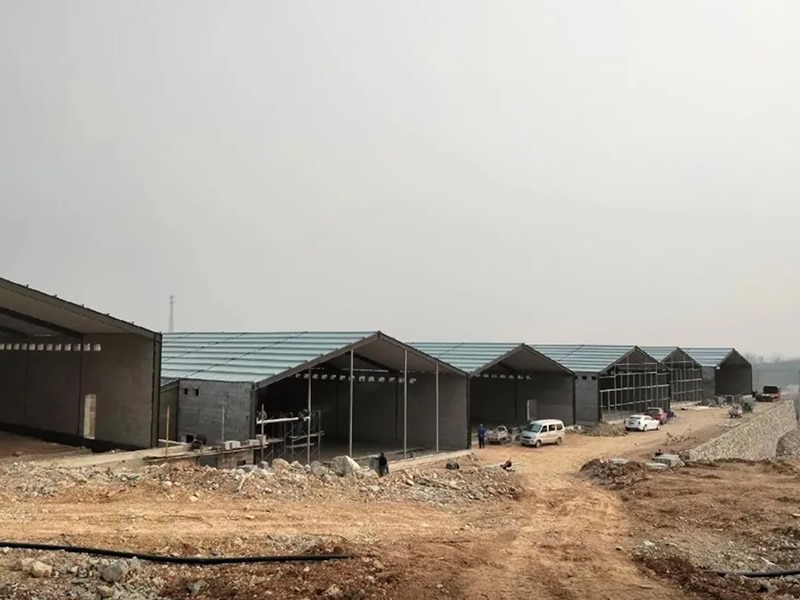
Explication détaillée de la conception des structures en acier pour les immeubles de bureaux commerciaux modernes
structures en acier are playing an increasingly important role in the design of modern commercial office buildings. Recently, the main structure of the Smart Valley core area project was topped out, and its innovative steel structure design has become a focus of industry attention.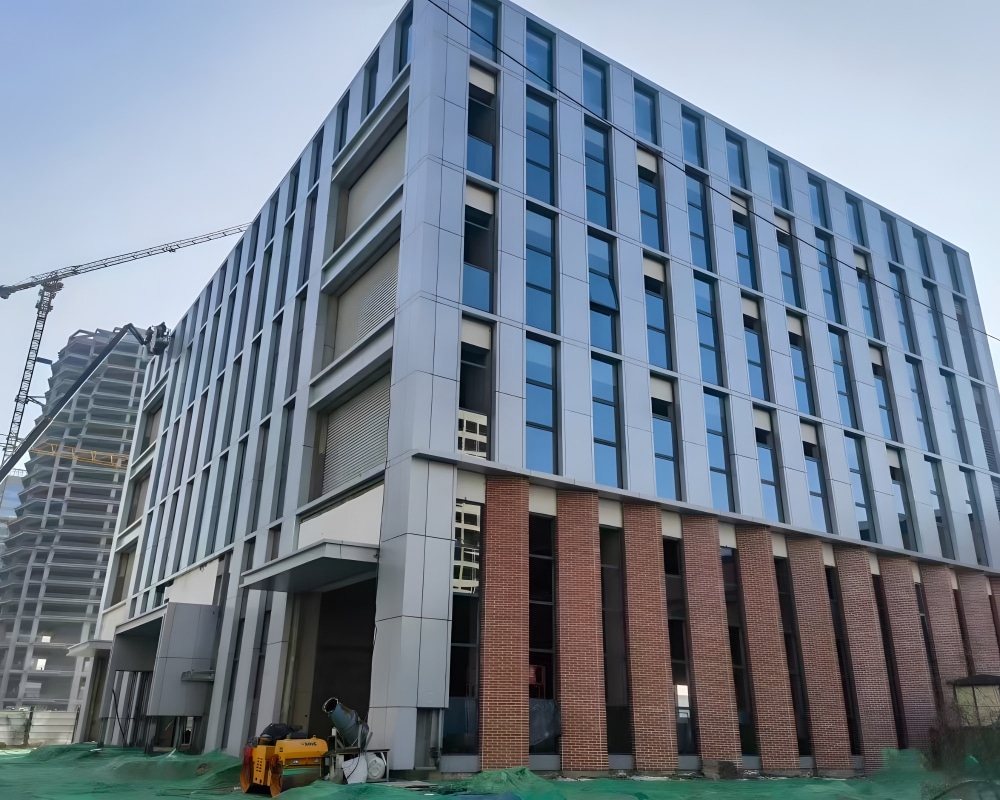
Project Overview: The Design Philosophy Behind the Data
The Smart Valley core area project has a total construction area of approximately 120,000 square meters, consisting of two towers of 24 and 18 stories respectively, and a 4-story commercial podium. The project’s design director and chief engineer of the architectural design institute explained, “This project used approximately 12,000 tons of steel, with the steel structure accounting for 68% of the total. While achieving large-span spaces, it shortened the construction period by approximately 40% compared to traditional concrete structures.”
This data reflects the core needs of modern commercial office building design: flexible spatial layout, rapid construction cycles, and sustainable building concepts. Steel structures are the ideal choice to meet these needs.
Connection Technology: Engineering Practice with Millimeter-Level Precision
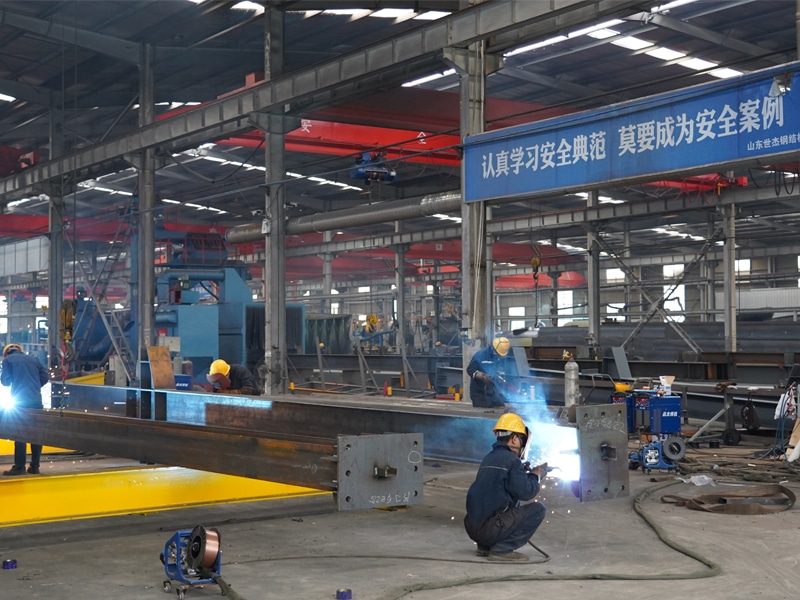
Steel structure connection nodes are a key aspect of the design. The Smart Valley project primarily uses high-strength bolt connections, accounting for 85% of the total connection points, with welded connections used only in specific areas. The project also utilized automated welding robots to ensure consistent weld quality. All major welds underwent 100% ultrasonic testing, and the sampling rate for minor welds reached 30%, far exceeding industry standards.
Fire and Corrosion Protection: The Invisible Safety Line
Fire protection for steel structures is paramount in commercial office building design. The Smart Valley project employed multiple protection strategies based on the fire resistance requirements of different components: thick fire-retardant coatings were used on main steel columns, achieving a 3-hour fire resistance limit; thin fire-retardant coatings were used on steel beams, meeting the 2-hour requirement; and floor slabs relied on the inherent fire resistance of concrete combined with localized fire-retardant coatings.
For corrosion protection, the project adopted a dual protection system of “hot-dip galvanizing + fluorocarbon topcoat.” Zhang Minglei specifically mentioned, “We collaborated with material suppliers to develop a new type of nano-modified coating, which improves weather resistance by 50% compared to traditional coatings, and is expected to extend the maintenance cycle to 15 years.”
BIM Technology: Digital Twins Facilitate Precise Construction
The Smart Valley project applied BIM technology throughout the entire process, achieving a high degree of collaboration between steel structure design, manufacturing, and installation.
“We have established a complete digital twin model of the steel structure,” explained the BIM manager. “Each steel component has a unique number, containing all information such as material, dimensions, and installation location. The factory directly processes materials based on the model data, and on-site installation guidance can be obtained by scanning a QR code with a mobile device.”
This technology allows for component manufacturing precision control within ±2mm, achieving a 99.3% first-time installation success rate, significantly reducing rework and waste.
Sustainable Design: A New Benchmark for Green Building
Steel structures inherently possess recyclability advantages, which the Smart Valley project further maximizes. The project adopts standardized component design, achieving an 81% disassembly rate. When the building’s function is adjusted in the future, most of the steel structure can be disassembled and reassembled, greatly extending the building’s lifespan.
Furthermore, leveraging the large span of the steel structure, the project incorporates multiple sky gardens and vertical greening, combined with a high-performance curtain wall system, reducing the building’s overall energy consumption by 25% compared to local standards.
Industry Outlook: Intelligent Construction and New Material Applications
With the development of digital technology, steel structure design is undergoing a new round of transformation. In an interview, the China Building Metal Structure Association stated, “Future steel structure design will become more intelligent, with new technologies such as real-time stress monitoring based on the Internet of Things and adaptive structural systems gradually being applied.”
Material innovation is also continuously advancing. The costs of new materials such as high-strength steel, weathering steel, and stainless steel are gradually decreasing, providing designers with more choices. Meanwhile, the application of 3D printing technology in the manufacturing of complex nodes deserves attention.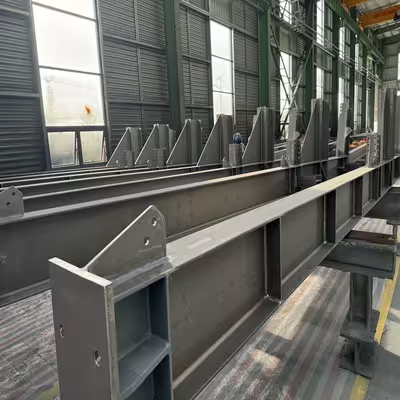
Conclusion
The structure en acier design practice of the Smart Valley project demonstrates the technological sophistication and innovative concepts in modern commercial office building construction. From precise load calculations to intelligent construction management, from reliable safety protection to forward-thinking sustainability, modern steel structure design has formed a complete technical system. With technological advancements and changing market demands, steel structures will undoubtedly play an even more important role in future urban construction, creating more possibilities for modern commercial spaces.
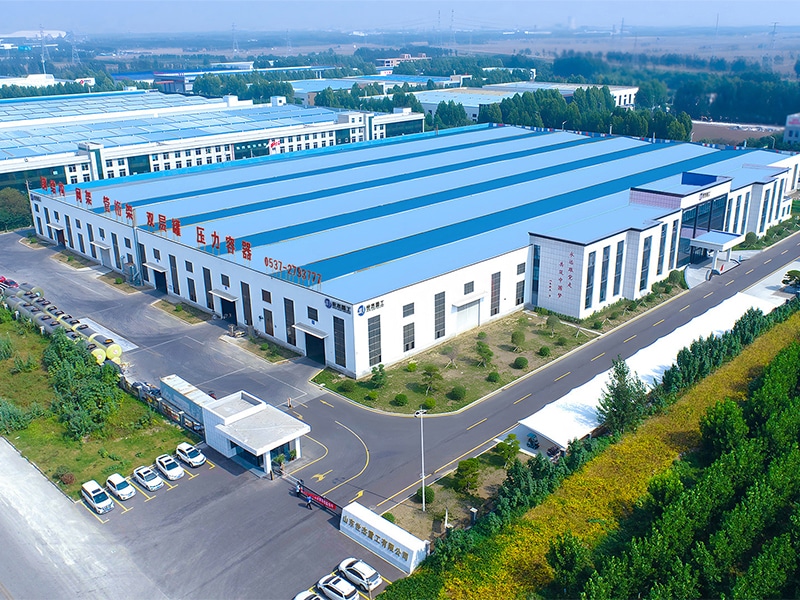
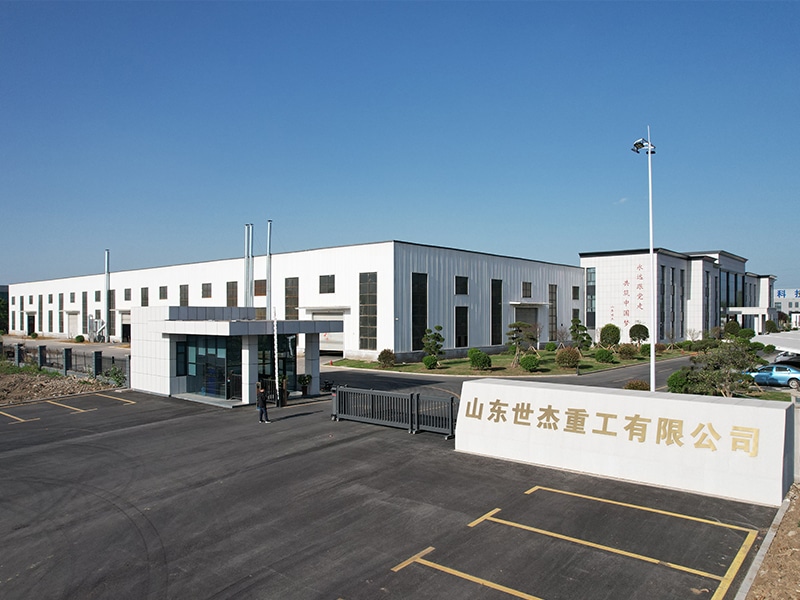

POURQUOI CHOISIR sdshijie
La construction de structures métalliques sur mesure est notre spécialité.
PLUS DE PROJETS