
الجسور ذات الهياكل الفولاذية - رابط قوي في وسائل النقل الحديثة
تُعد الجسور هياكل أساسية للبشرية، فهي تمتد عبر الجبال والأنهار والبحيرات والبحار، وتربط بين مكانين. ومن بين أنواع الجسور العديدة, جسور الهياكل الفولاذية, بأدائها الفائق وخصائصها المعاصرة المتميزة، تلعب دوراً لا يمكن الاستغناء عنه في شبكات البنية التحتية الحديثة للنقل. فهي ليست مزيجاً من القوة والجمال فحسب، بل هي أيضاً رمز هام للتقدم الهندسي والتكنولوجي.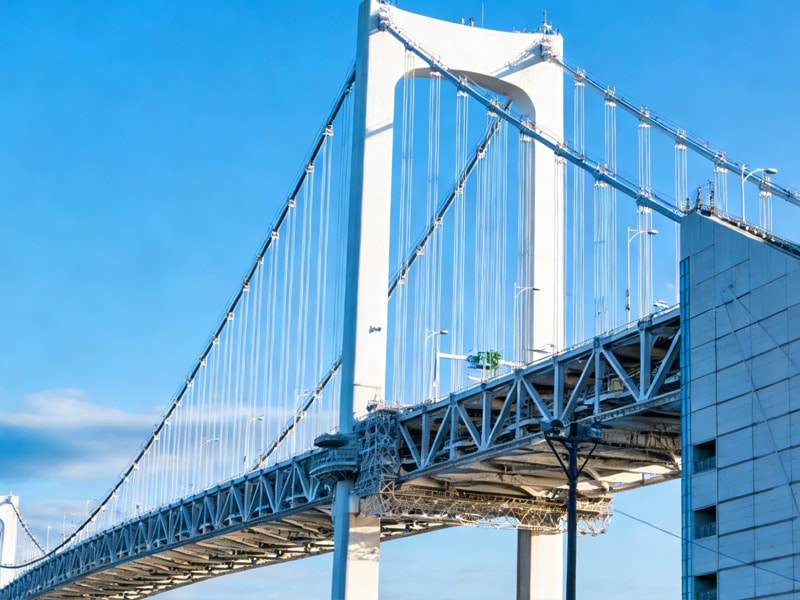
I. التعريف والخصائص الأساسية
تشير الجسور ذات الهياكل الفولاذية في المقام الأول إلى الجسور التي تكون هياكلها الرئيسية الحاملة (مثل الامتدادات والأرصفة والأضلاع المقوسة والأبراج) مصنوعة من الفولاذ ومتصلة باللحام أو التثبيت أو التثبيت بالمسامير. يكون الفولاذ المستخدم بشكل أساسي من الفولاذ منخفض السبائك عالي القوة ويتمتع بخصائص ميكانيكية ممتازة.
مزاياه الأساسية هي:
- قوة عالية وخفيفة الوزن: يتميّز الفولاذ بقوة شد وضغط عالية للغاية تفوق بكثير قوة الشد والضغط التي تتمتع بها الخرسانة والحجر. وتحت نفس الحمل، تتميز مكونات الفولاذ بمقاطع عرضية أصغر حجماً وأخف وزناً، مما يجعل من الممكن بناء جسور طويلة الامتداد وتخفيف العبء على الأساسات والبنية التحتية.
- مرونة وصلابة ممتازة: تسمح اللدونة الجيدة للصلب باللدونة الجيدة بالتشوه بشكل كبير تحت الحمل الزائد دون حدوث كسر مفاجئ، مما يوفر وقتًا لتحذيرات السلامة. كما أن صلابته تقاوم بفعالية الصدمات وأحمال التعب ودرجة معينة من الحركة الزلزالية.
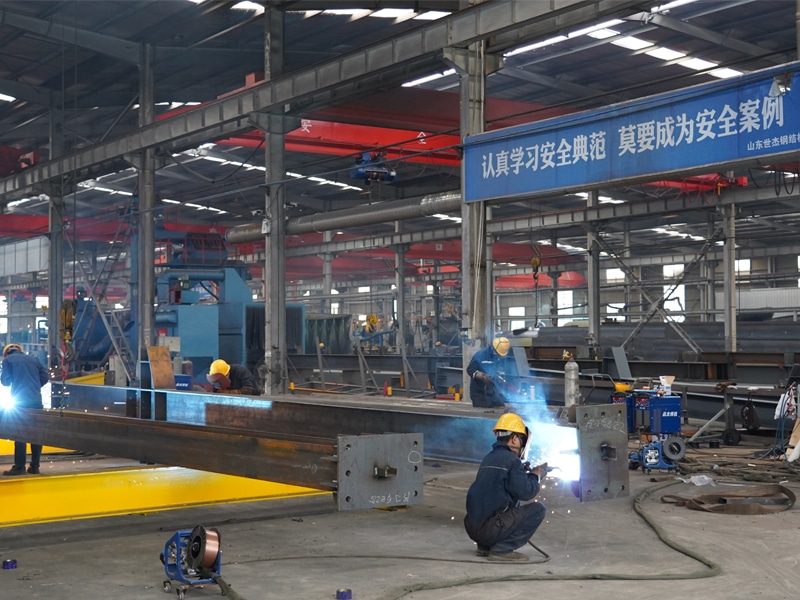
- بناء مريح ودرجة عالية من التصنيع: يمكن تصنيع مكونات الفولاذ بدقة مسبقة الصنع في المصانع، مما يجعل مراقبة الجودة سهلة. ينطوي التركيب في الموقع بشكل رئيسي على الربط في الموقع، مما يؤدي إلى سرعة البناء، وتقليل التأثير من المناخ والمواسم، وتقصير فترة البناء بشكل كبير، وتقليل تعطيل حركة المرور الحالية والبيئة. تُعد طرق البناء المعيارية (مثل الإطلاق التدريجي والبناء بالتناوب) ميزة رئيسية.
- مناسب للجسور طويلة الامتداد: نظرًا لخفة وزنه وخصائصه عالية القوة، فإن الهياكل الفولاذية هي الخيار الأساسي للمواد المستخدمة في أنواع الجسور طويلة الامتداد (يمكن أن تصل المسافات الرئيسية إلى عدة كيلومترات) مثل الجسور المعلقة والجسور المعلقة بالكابلات والجسور المقوسة، كما هو واضح في الأمثلة الشهيرة مثل جسر أكاشي كايكيو وجسر هونج كونج-تشوهاي-ماكاو.

ثانيًا. التطبيقات الرئيسية وأنواع الجسور الكلاسيكية
تتميز جسور الهياكل الفولاذية بمجموعة واسعة من التطبيقات والأشكال المتنوعة:
- الجسور طويلة الامتداد:
- الجسور المعلقة: تستخدم هذه الجسور كابلات رئيسية وحمالات معلقة لدعم سطح الجسر، مثل جسر شيهومن في الصين (الامتداد الرئيسي 1650 متراً)، حيث تكون الكابلات الرئيسية وعوارض التقوية من الهياكل الفولاذية.
- الجسور المثبتة بالكابلات: تنقل هذه الجسور حمولة سطح الجسر إلى الأبراج عن طريق دعامات الكابلات، مثل جسر نهر نانجينغ يانغتسي (جزئيًا) وجسر نهر سوتونغ يانغتسي، حيث تكون الأبراج والعوارض الصندوقية الفولاذية هياكل فولاذية رئيسية.
- الجسور المقوسة: خاصة الجسور المقوسة المربوطة والجسور المقوسة ذات الجمالونات، مثل جسر نهر تشونغتشينغ تشاوتيانمن يانغتسي (الامتداد الرئيسي 552 مترًا)، حيث الأضلاع المقوسة الضخمة ونظام سطح الجسر كلها هياكل فولاذية.
- التقاطعات الحضرية والجسور العلوية: تُستخدم العوارض الصندوقية الفولاذية وعوارض الجمالون الفولاذية على نطاق واسع في الطرق السريعة الحضرية وتقاطعات الطرق السريعة والجسور العلوية نظراً لسرعة بنائها والحد الأدنى من تعطل حركة المرور.
- جسور السكك الحديدية: تستخدم جسور السكك الحديدية عالية السرعة بشكل خاص، والتي لها متطلبات عالية للغاية من حيث الصلابة والثبات والمتانة، على نطاق واسع عوارض الجمالون الفولاذية والعوارض الصندوقية الفولاذية لتلبية متطلبات تشغيل القطارات عالية السرعة والمستقرة.
- الجسور المؤقتة أو القابلة للفك: في المشاريع العسكرية أو مشاريع الإغاثة في حالات الكوارث أو المشاريع الهندسية المؤقتة، تلعب الجسور الفولاذية الجاهزة (مثل جسور بيلي) دورًا حاسمًا في البناء السريع للممرات.
ثالثاً. التحديات والتقنيات الرئيسية
على الرغم من المزايا الكبيرة التي تتمتع بها الجسور ذات الهياكل الفولاذية، إلا أنها تواجه أيضًا بعض التحديات المتأصلة، مما يدفع إلى التطوير المستمر للتقنيات ذات الصلة:
- التآكل والحماية من الحرائق: الصلب عُرضة للتآكل في الغلاف الجوي والبيئة ولديه مقاومة ضعيفة للحريق. تستخدم الهندسة الحديثة في المقام الأول الطلاءات عالية الأداء المضادة للتآكل، والرش المعدني الحراري (مثل رش الزنك أو الألومنيوم)، والصلب المقاوم للعوامل الجوية، وأنظمة إزالة الرطوبة الذكية للحماية طويلة الأجل. تعتمد الحماية من الحريق على الطلاءات المقاومة للحريق أو الكسوة المقاومة للحريق.
- التعب والثبات: في ظل الأحمال المتناوبة طويلة الأجل (مثل تدفق حركة المرور)، تكون الشقوق الناتجة عن الإجهاد عرضة للتطور في اللحامات أو في النقاط الرئيسية. يعد التصميم المحسّن المقاوم للإجهاد، والتحكم في عملية التصنيع وأنظمة مراقبة السلامة أمراً بالغ الأهمية. وفي الوقت نفسه، تكون المكونات الفولاذية ذات الجدران الرقيقة عرضة لعدم الاستقرار الموضعي، مما يتطلب تقوية الأضلاع والعناصر الهيكلية الأخرى لضمان الاستقرار الكلي.
- تصميم عقدة التوصيل: تؤثر موثوقية العقد بشكل مباشر على سلامة الجسر بأكمله. تركز التصاميم الحديثة على ليونة العقدة وتكرارها وسهولة فحصها، وتستخدم على نطاق واسع وصلات احتكاك البراغي عالية القوة.
- الصيانة والإدارة: تتزايد أهمية تكاليف دورة الحياة. إن إنشاء نظام شامل لمراقبة الصحة (SHM) لرصد الإجهاد والتشوه والاهتزاز والتآكل في الوقت الحقيقي، مما يتيح الصيانة التنبؤية، هو الاتجاه المستقبلي لضمان التشغيل الآمن على المدى الطويل.
رابعا. اتجاهات التنمية في المستقبل
بالنظر إلى المستقبل، يُظهر تطوير الجسور ذات الهياكل الفولاذية الاتجاهات التالية:
- ابتكار المواد: سيؤدي استخدام مواد فولاذية جديدة ذات قوة أعلى وصلابة أفضل ومقاومة أفضل للعوامل الجوية والأداء الزلزالي (مثل الفولاذ عالي الأداء والألواح المركبة المصنوعة من الفولاذ المقاوم للصدأ) إلى تعزيز الاقتصاد والمتانة في الجسور.
- البناء الذكي: التكامل العميق للتقنيات مثل نمذجة معلومات البناء (BIM) والتوائم الرقمية واللحام الآلي الآلي والتركيب الآلي والطباعة ثلاثية الأبعاد لتحقيق رقمنة العمليات الكاملة وذكاء التصميم والتصنيع والبناء والتشغيل والصيانة.
- التنمية الخضراء والمستدامة: التركيز على قابلية إعادة تدوير الفولاذ (معدل إعادة تدوير مرتفع للغاية)، وتعزيز تقييم دورة الحياة (LCA)، والحد من استهلاك الموارد والأثر البيئي. كما يعد البناء الجاهز نفسه مظهرًا مهمًا من مظاهر البناء الأخضر.
- الابتكار الهيكلي: الجمع بين المواد والتكنولوجيات الجديدة لاستكشاف هياكل هجينة أخف وزناً وأكثر كفاءة وأكثر جمالية (مثل الهياكل المركبة من الصلب والخرسانة والمواد المركبة من الصلب والمواد المركبة من الصلب) والأنظمة الهيكلية الجديدة.
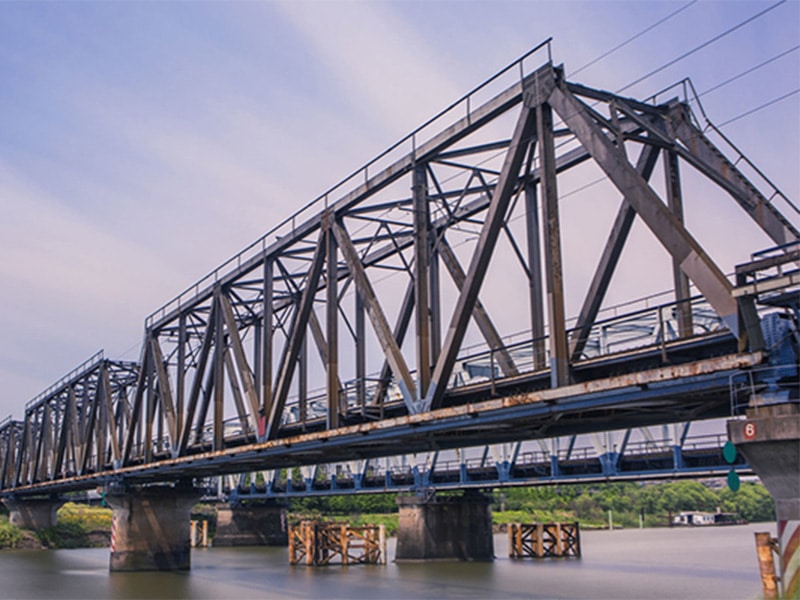
الخاتمة
جسور الهياكل الفولاذية, كممثلين بارزين للهندسة المدنية الحديثة، يدعمون حلم البشرية الكبير في سد الحواجز الطبيعية بقوتهم الكامنة وخفة وزنهم وصلابتهم. من المشاريع العملاقة التي تمتد عبر الأنهار والخلجان إلى الشبكات الحضرية المريحة التي تسهل التنقل اليومي، فهي تُظهر باستمرار قوة الفولاذ وحكمة الهندسة. في مواجهة التحديات المستقبلية، ومن خلال الابتكار التكنولوجي المستمر وإدارة التشغيل والصيانة المرنة، ستستمر جسور الهياكل الفولاذية في العمل كعمود فقري متين، يحمل عجلات التنمية الاجتماعية ويحلق في عصر أكثر روعة.



تواصل معنا اليوم
اتصل بنا اليوم لبدء رحلتك نحو تعزيز الهيكل الفولاذي الخاص بك.