Подробное руководство по проектированию заводских зданий из стальных конструкций: Опора современной промышленной архитектуры
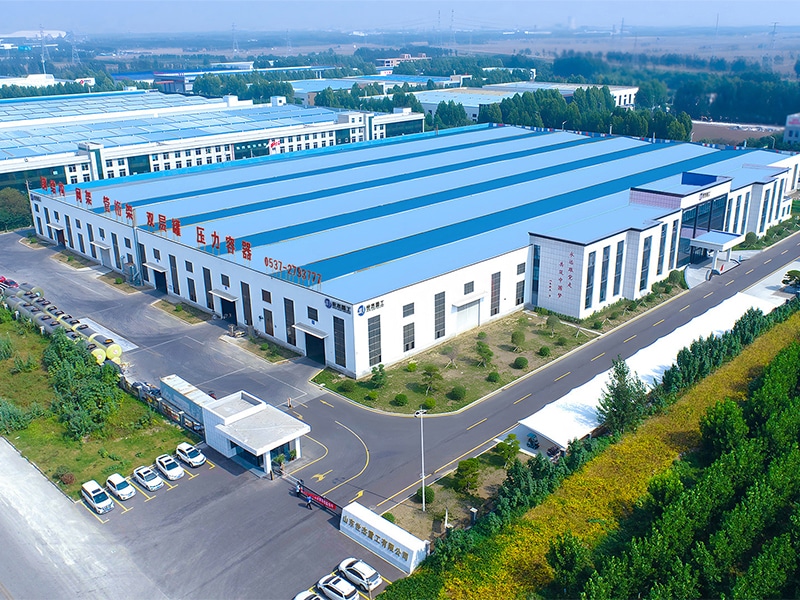
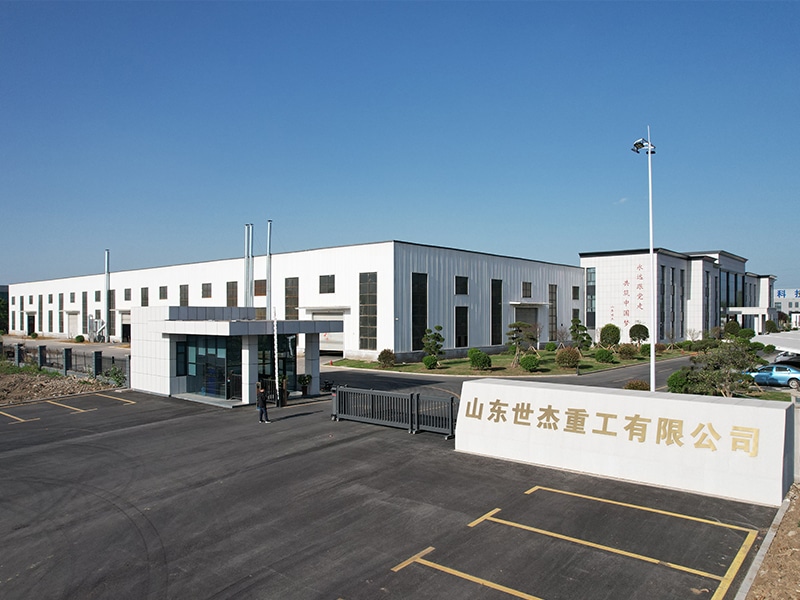
С ускорением темпов индустриализации и непрерывным развитием строительных технологий, стальная конструкция Заводские здания стали основным выбором в области промышленного строительства благодаря своим уникальным преимуществам. По сравнению с традиционными бетонными конструкциями, заводские здания из стальных конструкций превосходят их по продолжительности строительного цикла, использованию пространства и экологическим характеристикам, постепенно меняя облик промышленных зданий.
Преимущества конструкции: Почему стоит выбрать стальные конструкции?
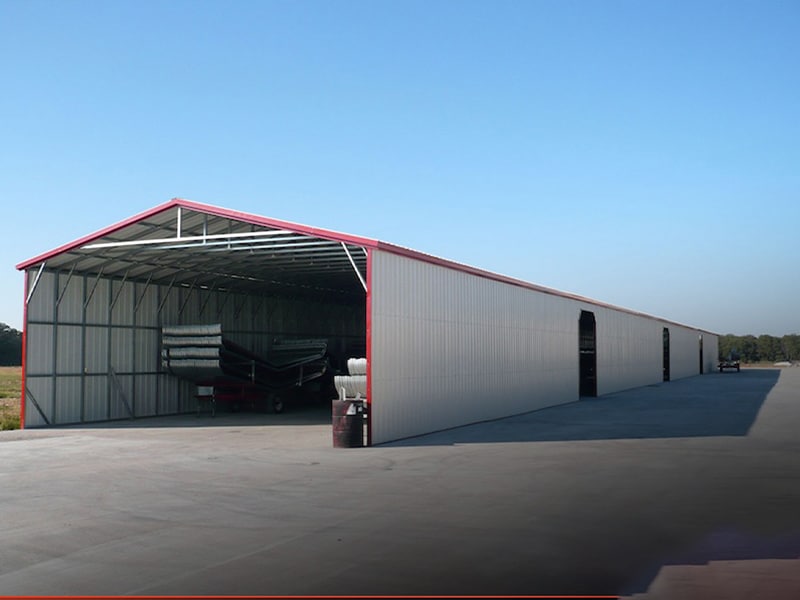
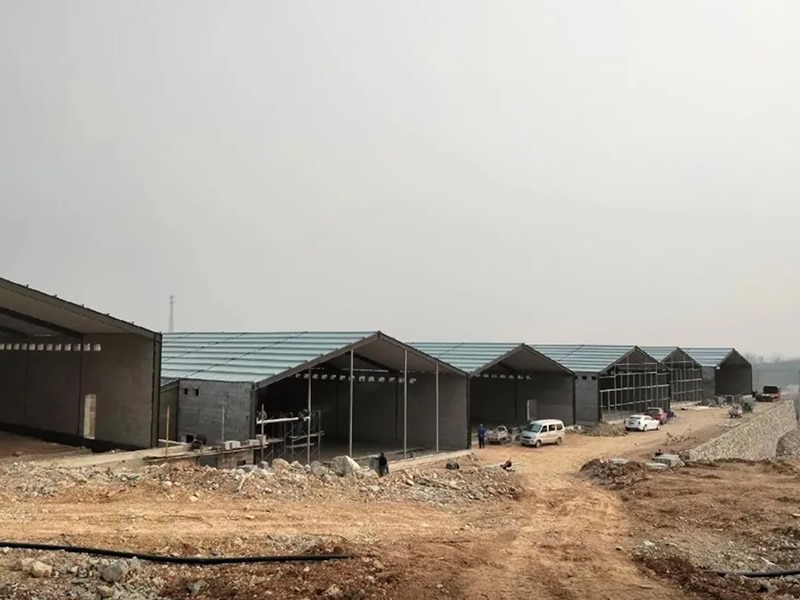
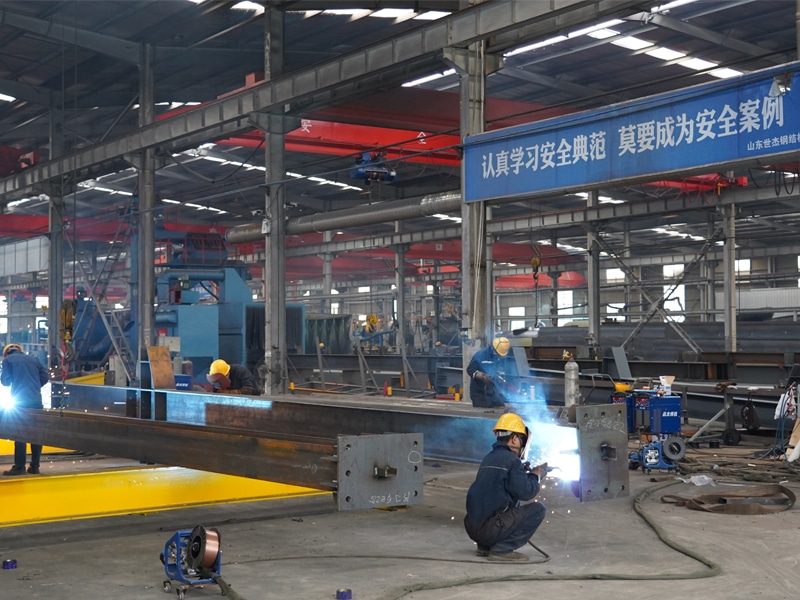
Проектирование заводских зданий из стальных конструкций имеет множество преимуществ. Во-первых, высокая прочность и малый вес стали позволяют создавать большепролетные пространства, обеспечивая большую гибкость при размещении производственного оборудования. Во-вторых, стальные конструктивные элементы могут быть изготовлены на заводе и установлены на месте, что значительно сокращает цикл строительства и снижает воздействие на окружающую среду. Кроме того, сталь пригодна для вторичной переработки, что соответствует концепции устойчивого развития, и обладает отличными сейсмическими характеристиками, что делает ее особенно подходящей для сейсмоопасных районов.
Ванг Минг, старший инженер архитектурно-проектного института, заявил: “При проектировании заводских зданий из стальных конструкций основное внимание уделяется не только самому зданию, но и его совместимости с производственным процессом. Многие из спроектированных нами заводских зданий достигают высокой степени координации между расположением колонн и высотой производственных линий, что значительно улучшает использование пространства”.”
Анализ ключевых точек дизайна
- Расчет нагрузки и выбор конструкции
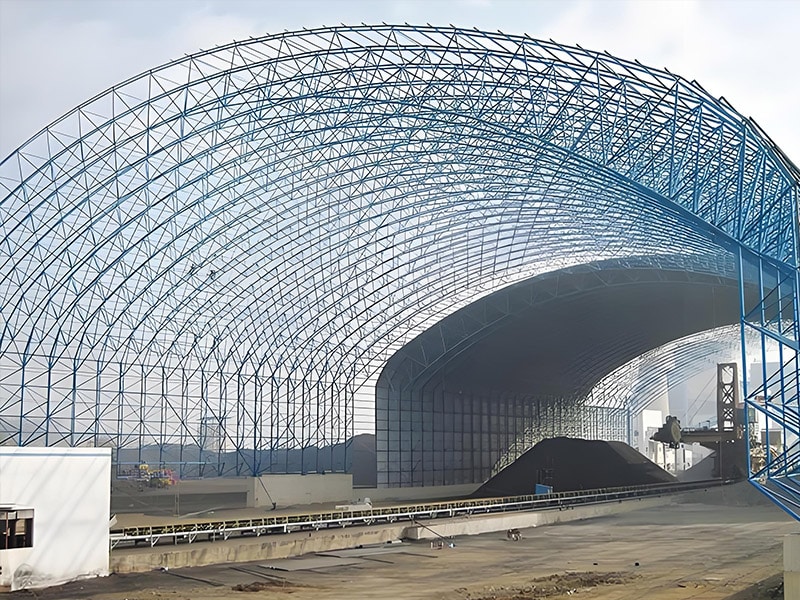
Проектирование заводского здания из металлоконструкций начинается с точного расчета различных нагрузок, включая постоянные нагрузки (собственный вес конструкции), переменные нагрузки (оборудование, материалы, персонал), ветровые нагрузки, снеговые нагрузки и сейсмические воздействия. Исходя из таких факторов, как назначение, пролет и высота фабрики, рационально выбрать различные формы, такие как портальные стальные рамы, рамные или ферменные конструкции.
- Конструкция основной рамы
Главная рама - это “скелет” стальной конструкции, включающий стальные колонны, стальные балки и соединительные узлы. При проектировании необходимо всесторонне учитывать рациональность распределения напряжений, экономичность и простоту возведения. В настоящее время двутавровые балки широко используются в качестве основных несущих элементов благодаря своим отличным свойствам поперечного сечения и хорошим несущим характеристикам.
- Дизайн системы корпусов
Системы ограждения стен и крыши напрямую влияют на функциональность завода и энергопотребление. В современных заводских зданиях из металлоконструкций чаще всего используются цветные профилированные стальные листы или сэндвич-панели, обеспечивающие отличные теплоизоляционные, теплоизоляционные и гидроизоляционные характеристики. При проектировании особое внимание следует уделить герметичности и водонепроницаемости узлов соединения.
- Проектирование ветро- и сейсмостойкости
Учитывая различные климатические и геологические условия разных регионов нашей страны, заводские здания из стальных конструкций требуют специальных проектов по ветро- и сейсмоустойчивости. Такие меры, как установка опорных систем, рациональное расположение ветроустойчивых колонн и усиление узловых соединений, обеспечивают безопасность конструкции при экстремальных погодных и сейсмических нагрузках.
Технологические инновации: Интеллектуальное и экологичное развитие
С повсеместным внедрением технологии BIM (Building Information Modeling) проектирование заводских зданий из стальных конструкций перешло на новый цифровой этап. Проектные группы могут выполнять работы по обнаружению столкновений, моделированию строительства и обследованию в 3D-среде, что значительно сокращает количество ошибок при проектировании и изменений на объекте.
Одновременно концепции экологичного строительства глубоко проникли в область проектирования заводских зданий из металлоконструкций. Применение энергосберегающих технологий, таких как интегрированные фотоэлектрические крыши, системы естественной вентиляции и системы сбора дождевой воды, позволяет современным заводским зданиям из металлоконструкций не только удовлетворять производственные потребности, но и стать важными носителями устойчивого развития.
Процесс детального проектирования
Типичный процесс проектирования завода металлоконструкций включает в себя: предварительное планирование → эскизный проект → предварительное проектирование → проектирование строительных чертежей → детальное проектирование. Этап детального проектирования требует тесного сотрудничества с производителем для преобразования проектных чертежей в детальные чертежи рабочих компонентов, что является решающим шагом в обеспечении качества проекта.
“В современном проектировании заводов по производству стальных конструкций все большее внимание уделяется полному жизненному циклу”, - отмечает Ли Хуа, директор по проектированию одной из известных отечественных компаний по производству стальных конструкций. “Начиная с начальной стадии проектирования, мы учитываем особенности производства, монтажа, эксплуатации, технического обслуживания и даже возможности будущей реконструкции, что требует от проектной группы наличия междисциплинарных всесторонних способностей”.”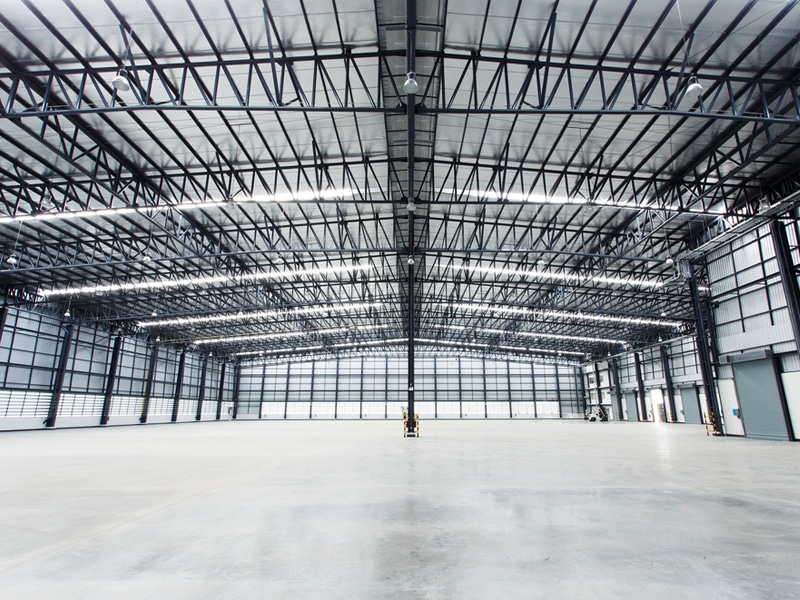
Взгляд в будущее
С постоянным появлением новых материалов и технологий, стальная конструкция Дизайн фабрик развивается в направлении повышения эффективности, интеллектуальности и экологичности. Продвижение технологии сборных зданий еще больше сократит сроки строительства, применение интеллектуальных систем мониторинга улучшит эксплуатацию и управление заводом, а модульные концепции дизайна сделают расширение и функциональную перестройку завода более гибкими.
Являясь важным компонентом современной промышленности, совершенствование конструкции заводских зданий из стальных конструкций напрямую связано с конкурентоспособностью и возможностями устойчивого развития обрабатывающей промышленности нашей страны. В будущем, по мере совершенствования отраслевых стандартов и внедрения инновационных концепций проектирования, заводские здания из стальных конструкций, несомненно, будут играть еще более важную роль в области промышленных зданий.

ПОЧЕМУ ВЫБИРАЮТ sdshijie
Изготовление металлоконструкций на заказ — наша специальность
Еще проекты