Costes de las construcciones metálicas: Una guía completa para presupuestar y planificar
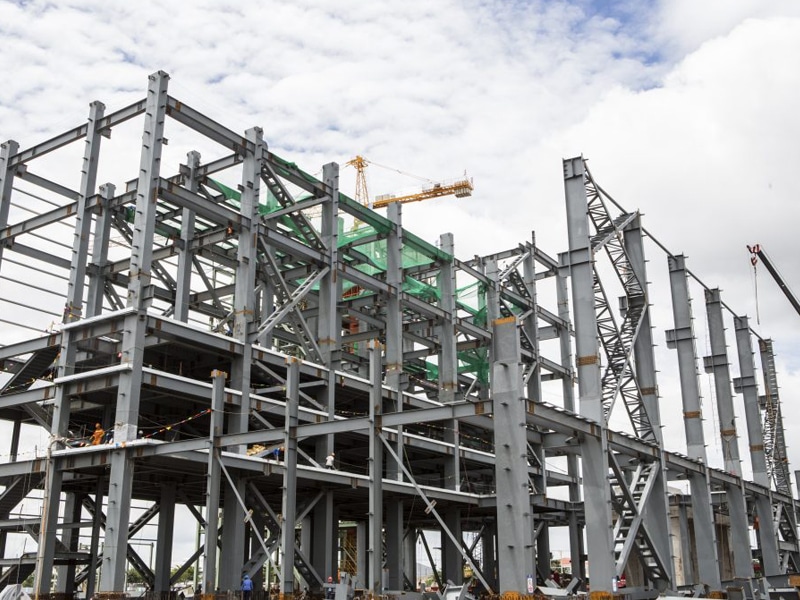
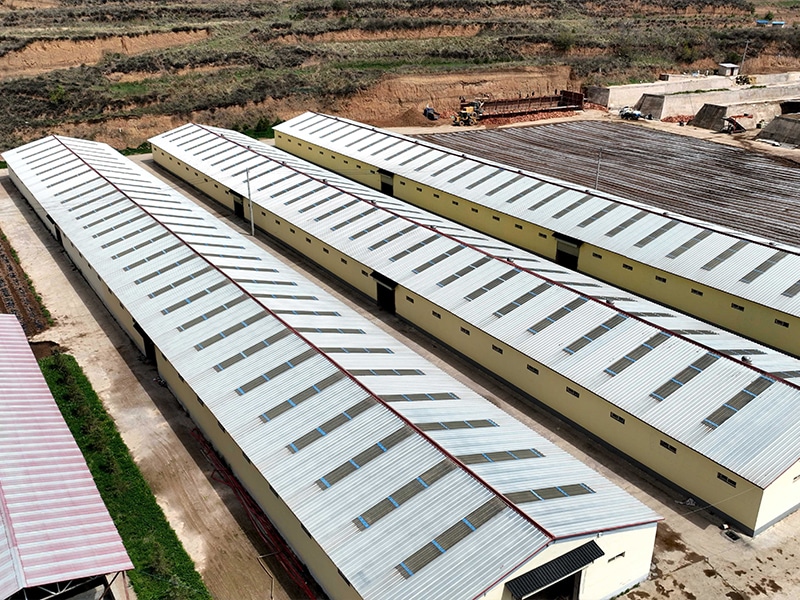
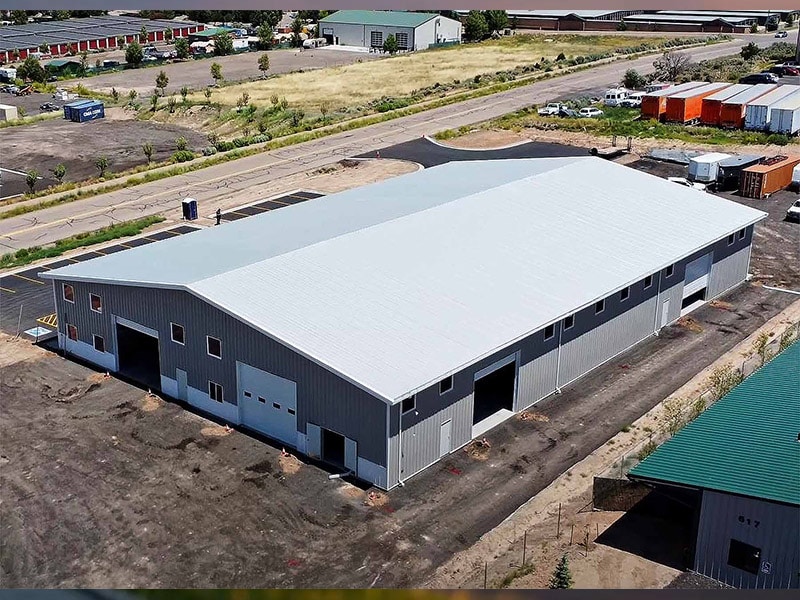
Edificios metálicos son muy populares en la industria, el comercio y la agricultura modernos debido a su durabilidad, rapidez de construcción y flexibilidad de diseño. Sin embargo, si está pensando en construir un almacén, un taller, un invernadero agrícola o una instalación comercial, la elaboración de un presupuesto preciso y una planificación meticulosa son cruciales para el éxito del proyecto. Esta guía le proporcionará un conocimiento exhaustivo de la estructura de costes, los métodos de presupuestación y las consideraciones de planificación de las construcciones metálicas.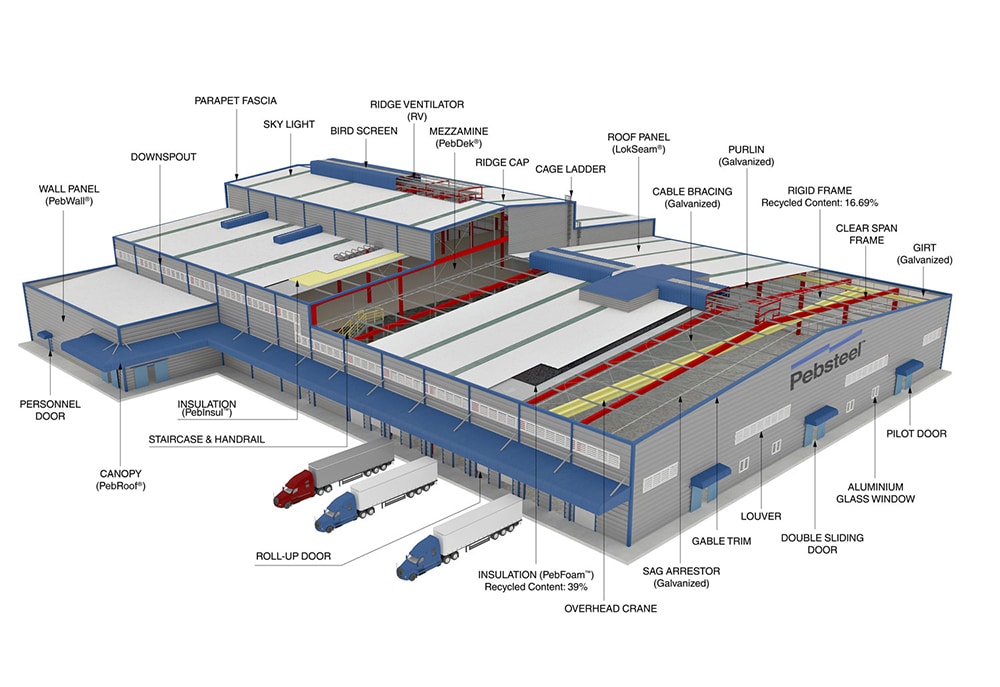
I. ¿Por qué elegir los edificios metálicos?
Antes de profundizar en el coste, conozcamos las principales ventajas de la construcción metálica:
- Durabilidad: Resistente a la corrosión, a los insectos y al fuego.
- Velocidad de construcción: Los componentes prefabricados pueden acortar el tiempo de construcción en un 30-50%.
- Bajos costes de mantenimiento: En comparación con los edificios tradicionales, los costes de mantenimiento a largo plazo se reducen considerablemente.
- Diseño flexible: Grandes luces y amplios espacios interiores sin columnas.
- Respetuoso con el medio ambiente y sostenible: Gran capacidad de reciclaje de materiales y mínimos residuos durante la construcción.
II. Explicación detallada de los costes de la construcción metálica
El coste total de la construcción metálica suele constar de los siguientes componentes:
- Tasas de diseño e ingeniería (5-10%)
- Esquema de diseño arquitectónico
- Cálculos de ingeniería estructural
- Planos de construcción
- Apoyo en materia de autorizaciones y permisos
- Costes de material (40-50%)
- Principales materiales estructurales: Vigas, pilares y correas de acero
- Sistema de cerramiento: Paneles de pared, paneles de techo, materiales aislantes
- Conectores: Pernos, tornillos, anclajes
- Sistema de puertas y ventanas: Puertas industriales, claraboyas, puertas de acceso
Accesorios: Canalones, bajantes, ventiladores
- Costes de preparación del terreno (10-20%)
- Limpieza y nivelación del terreno
- Construcción de cimientos y subestructuras
- Conexiones de servicios públicos (agua, electricidad, alcantarillado)
- Montaje de instalaciones temporales
- Costes de construcción e instalación (20-30%)
- Instalación de la estructura principal
- Instalación del sistema de armarios
- Instalación de puertas y ventanas
- Construcción de tabiques interiores
- Subcontratación (electricidad, fontanería, etc.)
- Costes adicionales y presupuesto para imprevistos (10-15%)
- Costes de transporte (especialmente en zonas remotas)
- Permisos y tasas de inspección
- Costes imprevistos
- Seguros e impuestos
III. Variables clave que afectan a los costes
- Tamaño y complejidad del edificio
- Edificio rectangular sencillo: Aproximadamente $16-25/pie cuadrado
- Edificio con aleros o varias plantas: Aproximadamente $20-35/pie cuadrado
- Formas especiales o diseños curvos: El precio puede aumentar en 30-50%
- Selección de especificaciones de materiales
- Acero con revestimiento básico G-60 frente a chapa de zinc aluminizado de alto grado
- Aislamiento estándar frente a sistema de aislamiento de alto rendimiento
- Tragaluces ordinarios frente a materiales de regulación inteligente
- Factores de localización geográfica
- Diferencias regionales en los costes laborales
- Distancia de transporte
- Requisitos de diseño especiales debidos al clima local (carga de nieve, carga de viento)
- Condiciones de los cimientos (los cimientos de suelo blando requieren un tratamiento adicional)
- Requisitos funcionales
- Almacén general: $18-28/pie cuadrado
- Taller de equipamiento: $22-35/pie cuadrado
- Almacén de cadena de frío: $35-50+ pies cuadrados
- Complejo de oficinas: $40-70+ pies cuadrados
IV. Guía de planificación presupuestaria paso a paso
Paso 1: Definir necesidades y objetivos
- Determinar el objetivo y la función principales del edificio
- Estimación de la superficie necesaria (teniendo en cuenta futuras ampliaciones)
- Enumere los requisitos especiales (grúas, sistemas de ventilación, etc.)
Paso 2: Obtener presupuestos preliminares
- Recopilar presupuestos de al menos 3-5 proveedores
- Asegurarse de que los presupuestos cubren la misma gama (comparación manzana con manzana)
- Tenga en cuenta las exclusiones y condiciones adicionales
Paso 3: Desglose detallado de costes
Utilice la siguiente tabla para obtener un presupuesto detallado:
Categoría del proyecto | Coste estimado | Porcentaje | Observaciones
Diseño y permisos
Preparación del terreno
Materiales principales
Construcción e instalación
Sistemas internos
Presupuesto para imprevistos
Total
Paso 4: Plan de financiación y calendario
- Calendario de pagos escalonados (normalmente, pago a medida que se avanza)
- Coordinación de la adquisición de materiales y los plazos de construcción
- Considere los factores estacionales (altos costes de construcción en algunas regiones durante el invierno)
V. Estrategias prácticas de reducción de costes
- Diseño estandarizado: Elegir el diseño estándar de un proveedor puede reducir los costes en un 5-15%.
- Planificación anticipada: Empiece a planificar con 6-12 meses de antelación para evitar los recargos por precipitación.
- Compras estacionales: Los pedidos en temporada baja (como el invierno) pueden reportar descuentos.
- Opciones modulares: Diseño en incrementos de 3 pies para reducir el desperdicio de material.
- Autoservicio de algunos trabajos: Como limpieza de solares, acabados interiores, etc.
- Considerar materiales usados: Algunos componentes estructurales pueden utilizar materiales usados de alta calidad.
VI. Errores comunes y métodos para evitarlos
- Subestimación de los costes de cimentación: Un análisis profesional del suelo puede evitar problemas inesperados.
- Ignorar los costes ocultos: Aclare si el presupuesto incluye equipos de elevación, instalaciones temporales, etc.
- Personalización excesiva: Evaluar si las funciones personalizadas son necesarias o pueden sustituirse por soluciones estándar.
- Ignorar la eficiencia energética: Una inversión inicial ligeramente superior puede suponer un importante ahorro a largo plazo.
- Retrasos en la construcción: Defina claramente en el contrato el periodo de construcción y la responsabilidad por los retrasos.
VII. Perspectiva a largo plazo: Costes del ciclo de vida
Al evaluar el coste de los edificios metálicos, debe tenerse en cuenta todo su ciclo de vida:
- Costes de mantenimiento: El coste medio anual de mantenimiento de los edificios metálicos es aproximadamente 1/3 del de los edificios tradicionales.
- Eficiencia energética: Un buen aislamiento puede ahorrar 20-40% en costes energéticos.
- Adaptabilidad: Fácil de ampliar o renovar, adaptándose a futuros cambios en la demanda.
- Valor residual: El acero tiene un alto valor de reciclado y conserva su valor incluso después de la vida útil del edificio.
VIII. Recomendaciones sobre el calendario de planificación
- Investigación preliminar (1-3 meses): Análisis de la demanda, selección del emplazamiento, diseño preliminar
- Diseño detallado (2-4 meses): Planos de construcción, cálculos de ingeniería, obtención de un presupuesto.
- Permisos y aprobaciones (1-4 meses): Presentación de solicitudes, tramitación de ajustes
- Adquisición y fabricación (1-3 meses): Pedido de material, prefabricación de componentes
- Fase de construcción (2-6 meses): Cimentación, instalación, acabados
Conclusión
Gestión de costes en construcción metálica es un arte del equilibrio: encontrar el equilibrio óptimo entre calidad, funcionalidad y presupuesto. Gracias a una planificación detallada, una comunicación transparente con los proveedores y una toma de decisiones informada, puede estar seguro de que su proyecto se completará a tiempo y dentro del presupuesto, con el resultado de un edificio de alta calidad que satisfaga sus necesidades a largo plazo.
Recuerde que la opción inicial más barata no es necesariamente la más económica a largo plazo. Invertir en materiales de calidad, un diseño profesional y una buena construcción le proporcionará años de servicio fiable y ahorro de costes. Se recomienda trabajar en estrecha colaboración con contratistas de construcciones metálicas e ingenieros estructurales experimentados; su experiencia puede ayudarle a evitar errores comunes y garantizar que su inversión merezca la pena.

¿POR QUÉ ELEGIR sdshijie?
La construcción de estructuras metálicas a medida es nuestra especialidad.
Más proyectos