Directrices para la selección del espesor del acero en los edificios prefabricados de metal
Edificios metálicos prefabricados se utilizan ampliamente en plantas industriales, almacenes y estadios deportivos debido a sus ventajas, como la rapidez de construcción, la rentabilidad y la gran durabilidad. La selección del espesor del acero afecta directamente a la seguridad estructural, la vida útil y la economía del edificio, por lo que es un aspecto crucial del proceso de diseño.
I. Principales factores que afectan al espesor del acero
- Uso del edificio y requisitos de carga
- Plantas industriales: Debe tenerse en cuenta el peso del equipo, la carga de la grúa, etc.
- Edificios de almacén: Debe calcularse la carga de apilamiento de la carga.
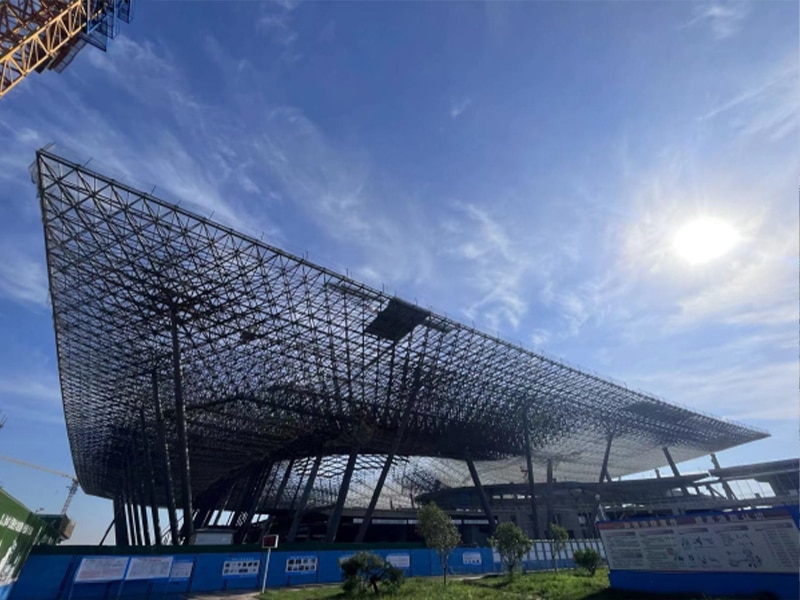
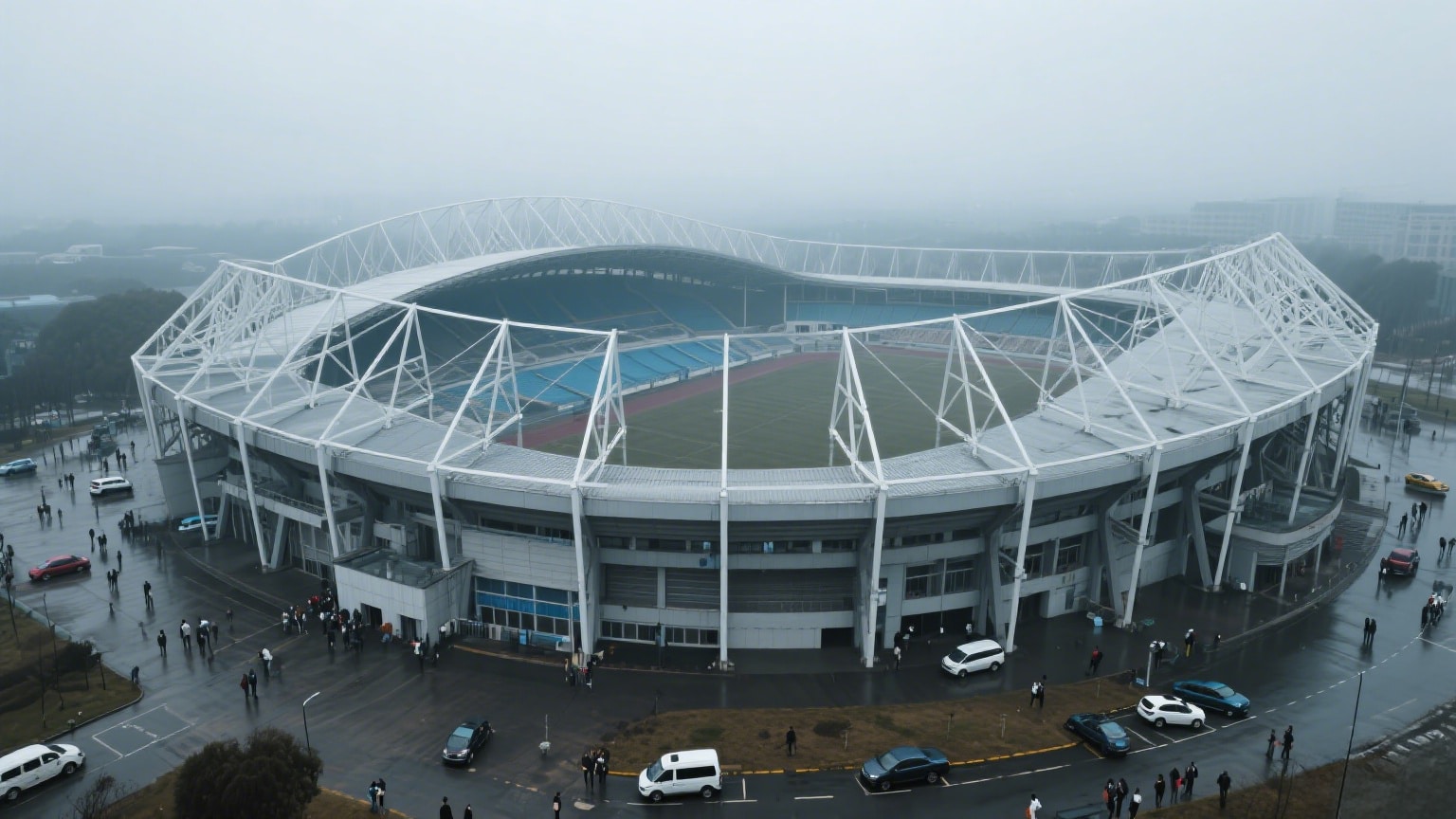
- Estadios deportivos: Hay que tener en cuenta la estabilidad de las estructuras de grandes luces.
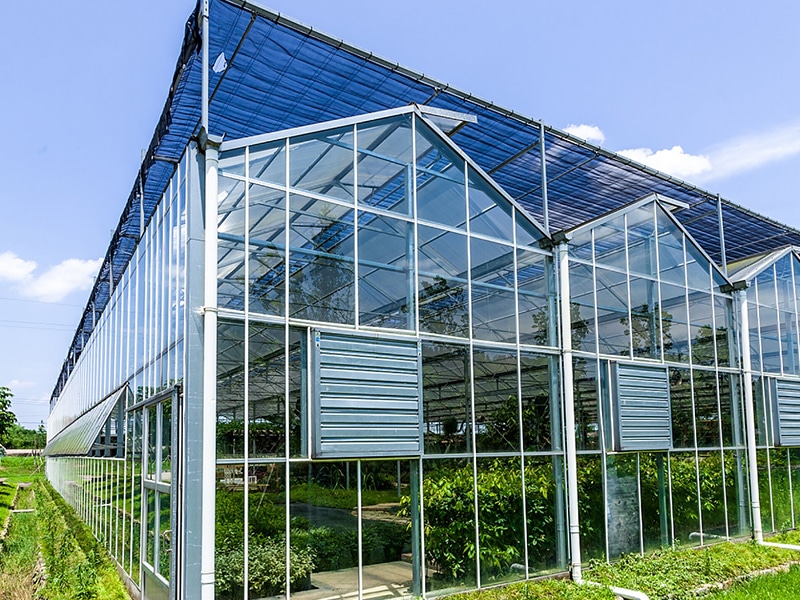
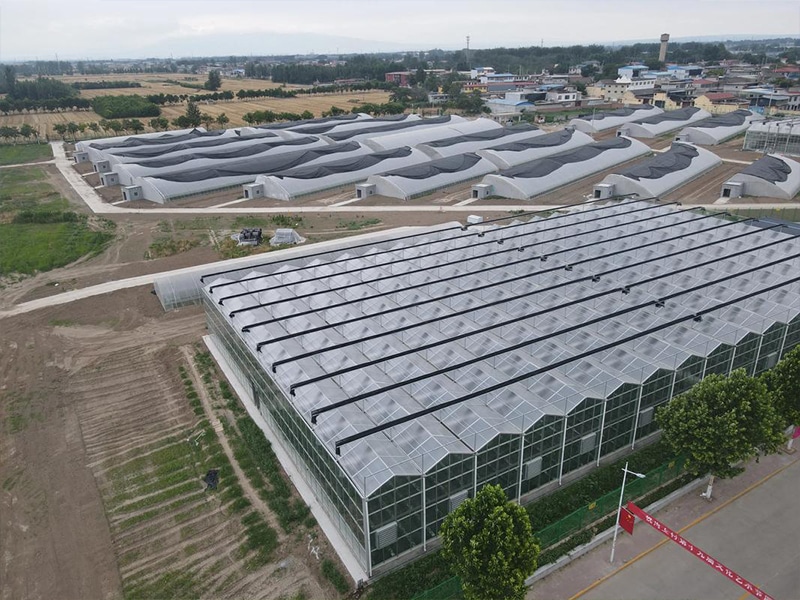
- Edificios agrícolas: Generalmente cargas más ligeras, pero deben tenerse en cuenta las cargas de viento y nieve.
- Condiciones medioambientales
- Carga de viento: mayores exigencias en zonas costeras y montañosas.
- Carga de nieve: Las estructuras de los tejados deben reforzarse en zonas nevadas.
- Riesgo sísmico: Es necesario aumentar la resistencia de las estructuras en las zonas altamente sísmicas.
- Entorno corrosivo: Las medidas de prevención de la corrosión deben tenerse en cuenta en las zonas costeras y de industria química.
- Dimensiones y envergadura del edificio
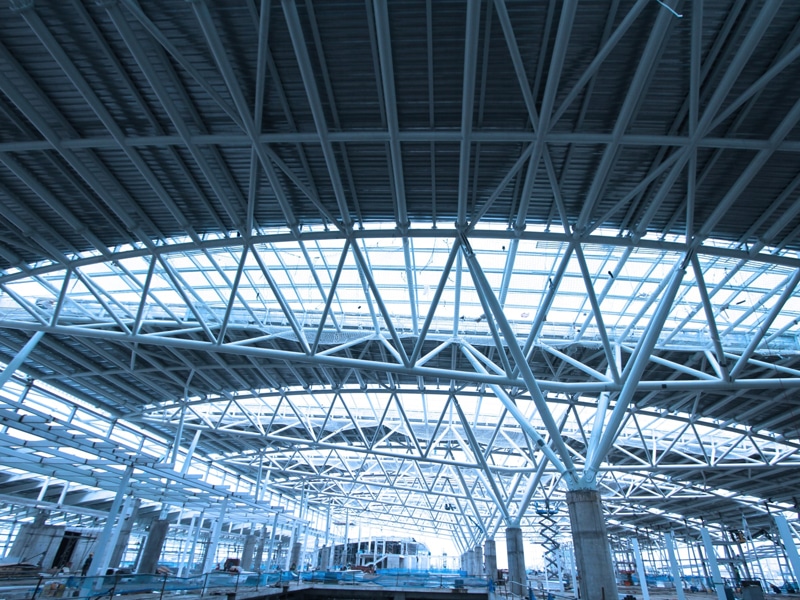
- Cuanto mayor sea la luz, más grueso deberá ser el acero estructural principal.
- El aumento de la altura de los edificios requiere columnas más resistentes al viento.
- La pendiente del tejado afecta a la capacidad de acumulación de nieve y a los requisitos de drenaje.
II. Intervalo de referencia para el espesor del acero en diversas piezas
Acero estructural principal
- Estructura principal de acero (columnas, vigas): Normalmente utiliza vigas H laminadas en caliente de 3-12 mm de grosor o vigas H soldadas. - Edificios pequeños (envergadura < 15 m): 4-6 mm
- Edificios medianos (envergadura 15-30m): 6-10mm
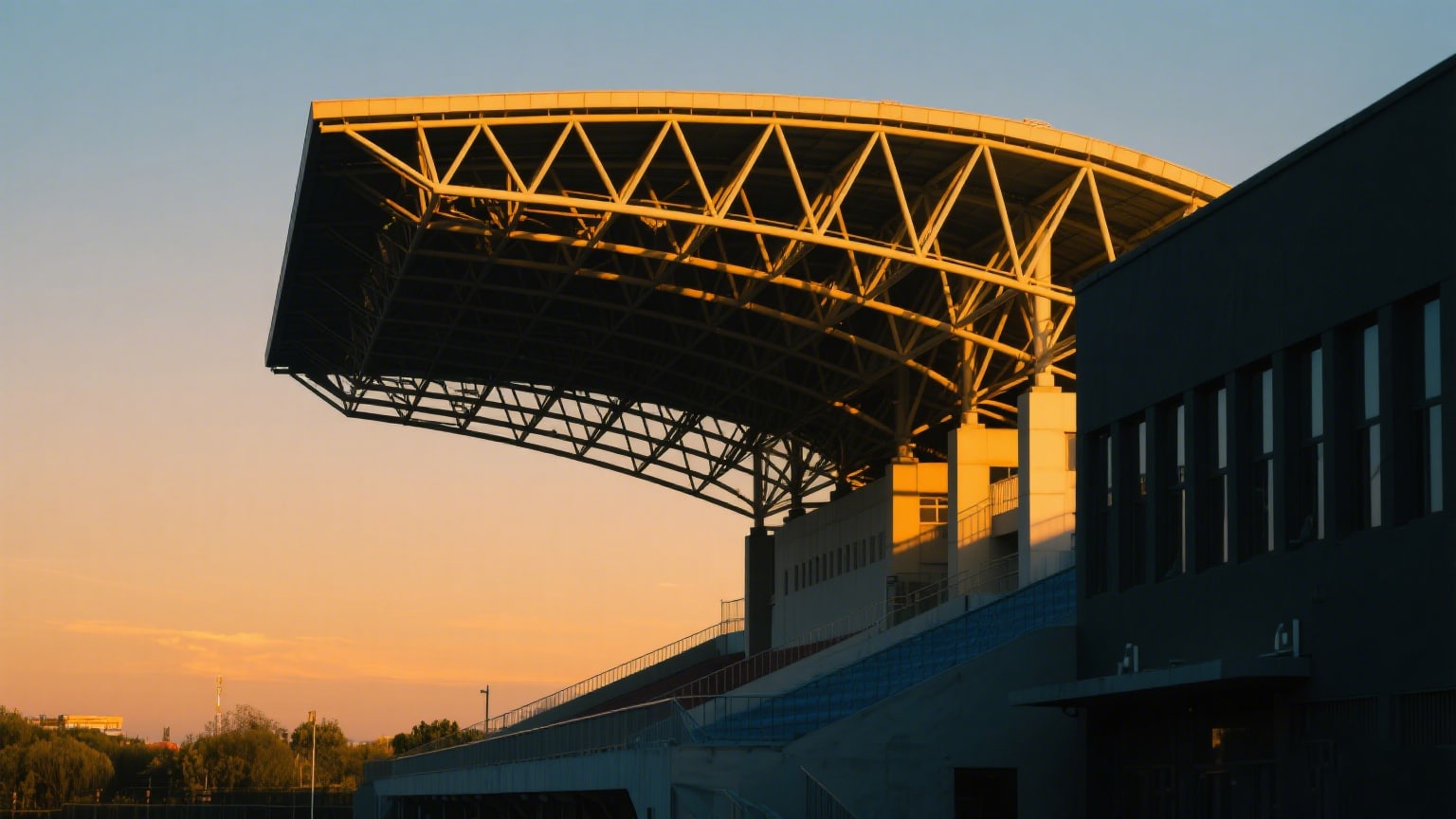
- Grandes edificios (envergadura > 30 m): 8-12 mm o más
- Subestructura (correas, vigas de pared)
- Acero conformado en frío en forma de C/Z de pared delgada: Normalmente 1,5-3,0 mm
- La distancia entre correas y la luz determinan el espesor específico
Sistemas de cubiertas y muros
- Paneles de techo: Normalmente 0,4-0,8 mm
- Edificios ordinarios: 0,5-0,6 mm
- Edificios industriales: 0,6-0,8 mm
- Zonas que requieren acceso peatonal para mantenimiento: ≥0,8mm
- Paneles de pared: Normalmente 0,4-0,7 mm
- Zonas menos propensas a los impactos: Puede engrosarse hasta 0,8-1,0 mm.
Conectores y accesorios
- Los pernos, las placas de conexión, etc., suelen ser algo más finos que la estructura principal, pero deben cumplir los requisitos de resistencia.
III. Proceso de diseño y asesoramiento profesional
Proceso de diseño científico
- Cálculo de cargas: Calcule con precisión las cargas permanentes, las cargas variables y las cargas accidentales.
- Análisis estructural: Realizar análisis de tensiones utilizando software profesional.
- Selección de la sección: Seleccione una sección económica y razonable basándose en los resultados de la fuerza interna.
- Diseño de nodos: Garantiza conexiones seguras y fiables.
- Diseño de protección contra la corrosión y el fuego: Determinado en función de los requisitos ambientales y de uso.
Asesoramiento profesional
- Evite el concepto erróneo de “cuanto más grueso, mejor”: Un engrosamiento excesivo aumenta los costes y puede alterar las características de tensión estructural.
- Tener en cuenta la tolerancia a la corrosión: En entornos corrosivos, como zonas costeras e industriales, es necesario aumentar el grosor entre 0,5 y 1,0 mm.
- Haga hincapié en el equilibrio general: Evita diseños desfavorables como “vigas fuertes y pilares débiles”.”
- Coste del ciclo de vida: Considera los costes a largo plazo, como el mantenimiento y la eficiencia energética.
Edificios metálicos prefabricados
Directrices para la selección del espesor del acero en los edificios prefabricados de metal
IV. Preguntas más frecuentes
P: ¿Puedo decidir yo mismo el grosor del acero?
R: No. El grosor del acero debe determinarlo un ingeniero estructural titulado basándose en cálculos y especificaciones. Si lo modifica usted mismo, puede poner en peligro la seguridad o infringir las normas de construcción.
P: ¿Cómo equilibrar costes y seguridad?
R: Mediante un diseño optimizado en lugar de un simple adelgazamiento. El acero de alta resistencia y el diseño estructural optimizado pueden utilizarse para controlar los costes al tiempo que se garantiza la seguridad.
P: ¿Qué relación hay entre el grosor del acero y el revestimiento?
R: El revestimiento (cincado, aluminio-cincado) proporciona principalmente protección contra la corrosión y no afecta al cálculo del espesor estructural. En entornos corrosivos, deben tenerse en cuenta tanto el espesor del material como la calidad del revestimiento.
V. Resumen
Selección del espesor del acero para construcciones metálicas prefabricadas es un proyecto altamente especializado y sistemático; no existe una respuesta única y universalmente aplicable. Los principios básicos son:
- Cumplimiento de las normas: Cumplir estrictamente las normas nacionales e industriales.
- Cálculos científicos: Basados en análisis de carga y cálculos estructurales precisos.
- Consideración global: Equilibrar seguridad, economía, durabilidad y requisitos funcionales.
- Diseño profesional: Contrata a un equipo profesional cualificado para el diseño.
El grosor final debe ser determinado por un ingeniero estructural basándose en las condiciones de carga, los requisitos de uso y los factores medioambientales del proyecto específico. Se recomienda que los propietarios se centren en las capacidades de diseño del proveedor y en el cumplimiento de las normas a la hora de seleccionar un proveedor, en lugar de limitarse a comparar las cifras de espesor del acero.
Nota: Este documento proporciona orientación general; consulte a un ingeniero estructural profesional para proyectos específicos.

¿POR QUÉ ELEGIR sdshijie?
La construcción de estructuras metálicas a medida es nuestra especialidad.
Más proyectos