Metallfertigteilgebäude im Vergleich zu traditionellen Gebäuden: Ein Vergleich innovativer Bauweisen
In der sich schnell entwickelnden Bauindustrie von heute, Metallfertigteilgebäude werden allmählich zur bevorzugten Lösung für viele Projekte, während traditionelle Bauweisen die jahrtausendealte Handwerkskunst fortführen. Was sind die Unterschiede zwischen diesen beiden Bauweisen? Wir wollen sie aus verschiedenen Blickwinkeln beleuchten.
Zentrale konzeptionelle Unterschiede
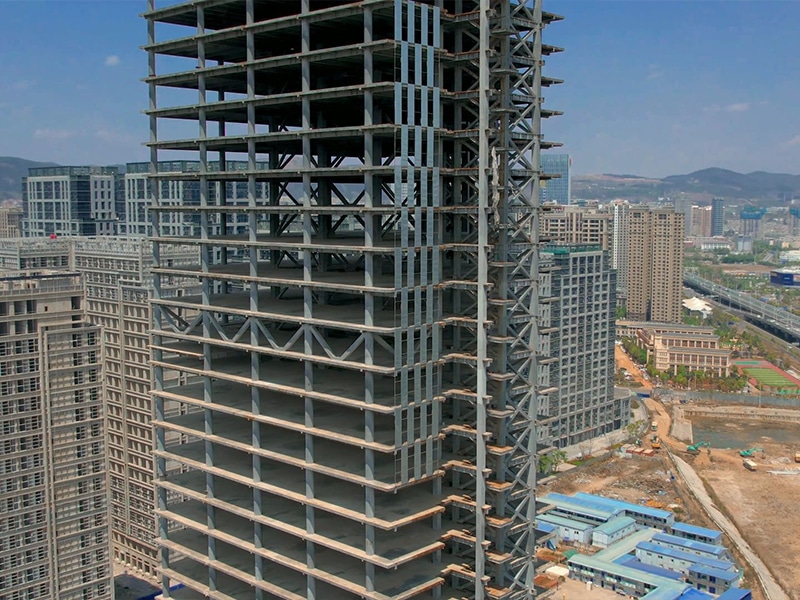
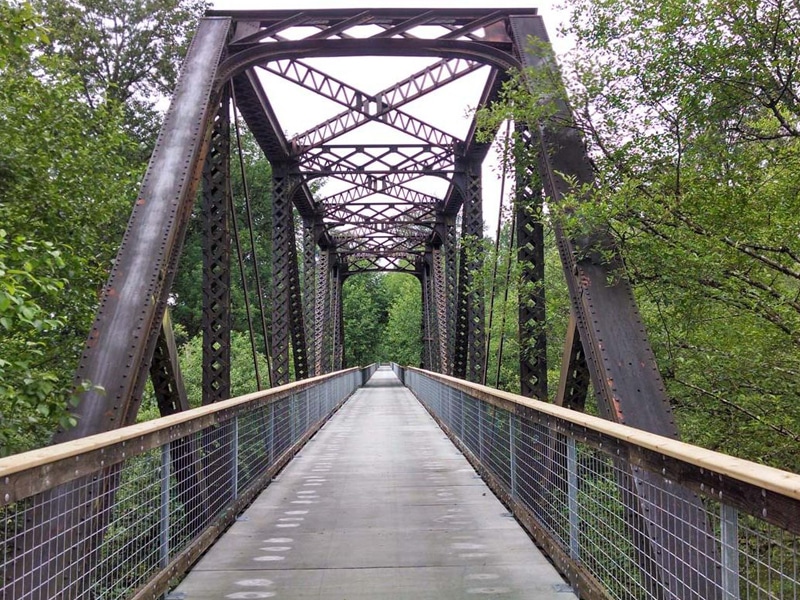
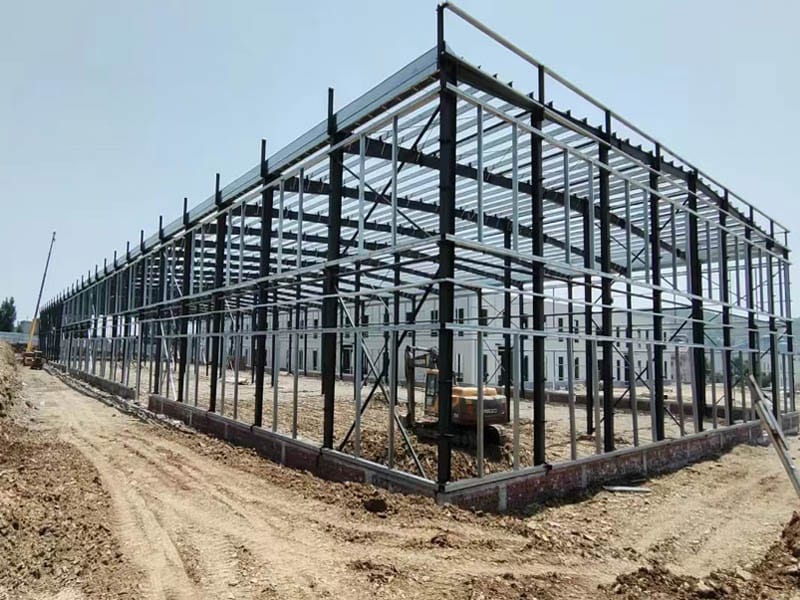
Vorgefertigte Metallgebäude beziehen sich auf eine Bauweise, bei der standardisierte Metallkomponenten (hauptsächlich Stahl) verwendet werden, die in einer Fabrik vorgefertigt und vor Ort schnell montiert werden. Zu diesen Komponenten gehören in der Regel Stahlsäulen, Stahlträger, Metallwandpaneele und Dachsysteme, die alle nach genauen Vorgaben in einer Fabrikumgebung hergestellt werden.
Der Begriff "traditionelle Bauweise" bezieht sich auf eine Bauweise, bei der traditionelle Materialien wie Ziegel, Beton und Holz verwendet werden, die in erster Linie vor Ort verarbeitet und gebaut werden. Bei dieser Methode liegt der Schwerpunkt auf den Bautechniken vor Ort und sie beruht auf handwerklichem Können und den örtlichen Gegebenheiten.
Acht Hauptunterschiede Vergleich
- Bauzeit und Effizienz
- Vorgefertigte Metall-Gebäude: Da die Komponenten in einer Fabrik vorgefertigt werden, ist vor Ort nur noch die Montage erforderlich, so dass die Bauzeit in der Regel 30%-50% kürzer ist als beim herkömmlichen Bau. Die Hauptstruktur einer mittelgroßen Industrieanlage kann innerhalb von Wochen fertiggestellt werden.
- Traditionelle Bauweise: Das Bautempo vor Ort ist abhängig von zahlreichen Faktoren wie Wetter, Materialversorgung und Arbeitseffizienz, was zu längeren Bauzeiten und größerer Unsicherheit führt.
- Struktur der Baukosten
- Vorgefertigte Metallgebäude: Höhere anfängliche Planungskosten, aber durch die Großserienproduktion und den geringeren Arbeitsaufwand vor Ort sind die Gesamtkosten besser vorhersehbar, und die späteren Wartungskosten sind in der Regel niedriger.
- Traditionelle Bauweise: Relativ niedrige Materialkosten, aber hohe Arbeitskosten, und Änderungen vor Ort können leicht zu Kostenüberschreitungen führen, was die Kontrolle des Gesamtbudgets erschwert.
- Designflexibilität und Einschränkungen
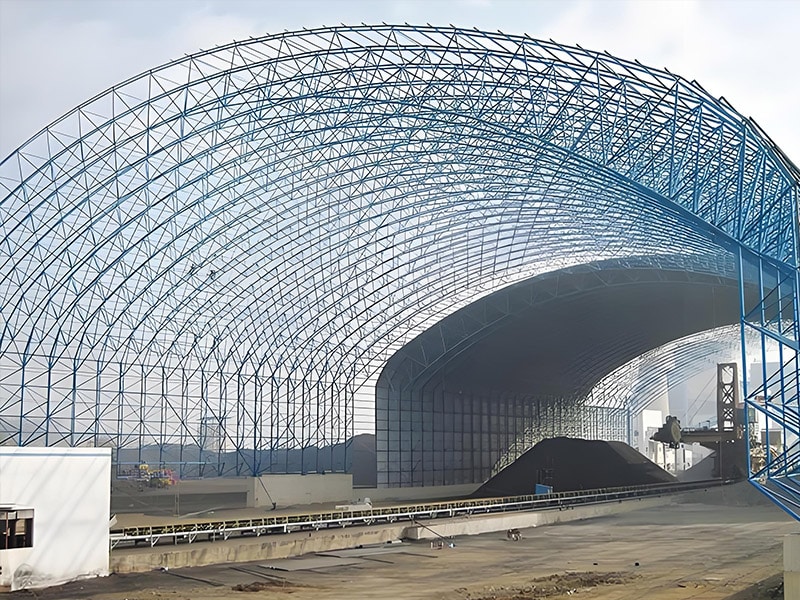
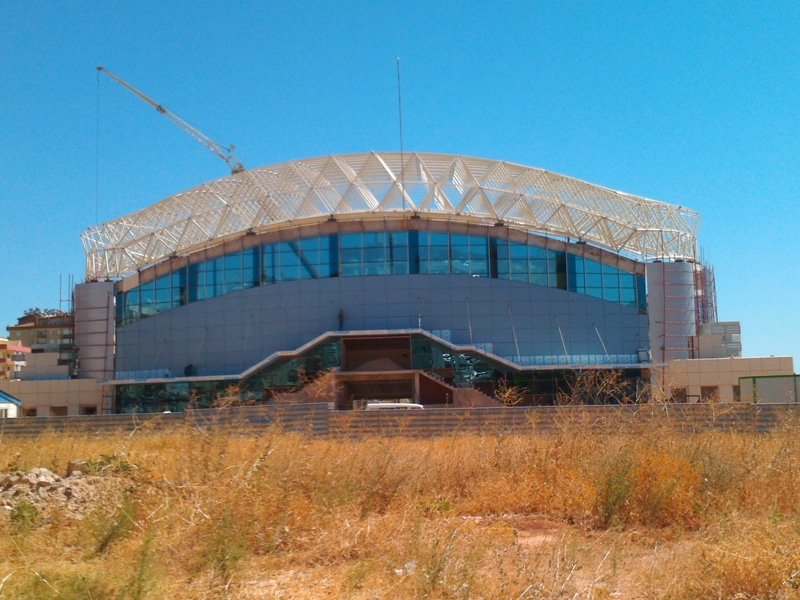
- Vorgefertigte Metallgebäude: Geeignet für standardisierte und modulare Konstruktionen, mit denen sich leicht Räume mit großer Spannweite realisieren lassen (z. B. Lagerhallen und Stadien). Komplexe und individuelle Entwürfe können jedoch begrenzt sein, und die Flexibilität bei Änderungen ist relativ gering.
- Traditionelle Konstruktion: Extrem hohe Designflexibilität, mit der sich verschiedene komplexe Formen und Details realisieren lassen. Strukturen mit großer Spannweite erfordern jedoch mehr Unterstützung, und die Umsetzung des Entwurfs ist durch die Materialleistung begrenzt.
- Qualität und Konsistenz
- Vorgefertigte Metall-Gebäude: Hergestellt in einer kontrollierten Fabrikumgebung, die gleichbleibende und stabile Qualität mit millimetergenauer Präzision gewährleistet. Geringere Beeinflussung durch Wetter- und Baustellenbedingungen.
- Traditionelle Gebäude: Die Qualität hängt in hohem Maße von den Fähigkeiten des Bauteams und des Managements vor Ort ab; Qualitätsunterschiede können zwischen verschiedenen Projekten und sogar zwischen verschiedenen Teilen desselben Projekts bestehen.
- Nachhaltigkeit und Umweltschutz
- Vorgefertigte Metallgebäude: Wiederverwertbarkeit des Materials bis zu 90%, Verringerung des Abfalls auf der Baustelle um 60%-70% und erhebliche Reduzierung von Baulärm und Umweltverschmutzung. Die Stahlproduktion ist jedoch energieintensiv.
- Traditionelle Gebäude: Natürliche Materialien wie Holz sind erneuerbar, aber die Betonherstellung verursacht hohe Kohlenstoffemissionen, und beim Bau vor Ort entsteht eine große Menge an Bauabfällen.
- Langlebigkeit und Wartung
- Vorgefertigte Metallgebäude: Stahlkonstruktionen erfordern einen Beschichtungsschutz für die Korrosionsbeständigkeit, und der Feuerschutz erfordert eine zusätzliche Behandlung. Hervorragende Wind- und Erdbebensicherheit, aber langfristige Exposition kann Wartung erfordern.
- Traditionelle Gebäude: Mauerwerksbauten können bis zu einem Jahrhundert halten, aber Holz ist anfällig für Feuchtigkeit und Korrosion, und Beton kann Risse bekommen; der regelmäßige Wartungsbedarf ist je nach Material unterschiedlich.
- Unterschiede zwischen den anwendbaren Szenarien
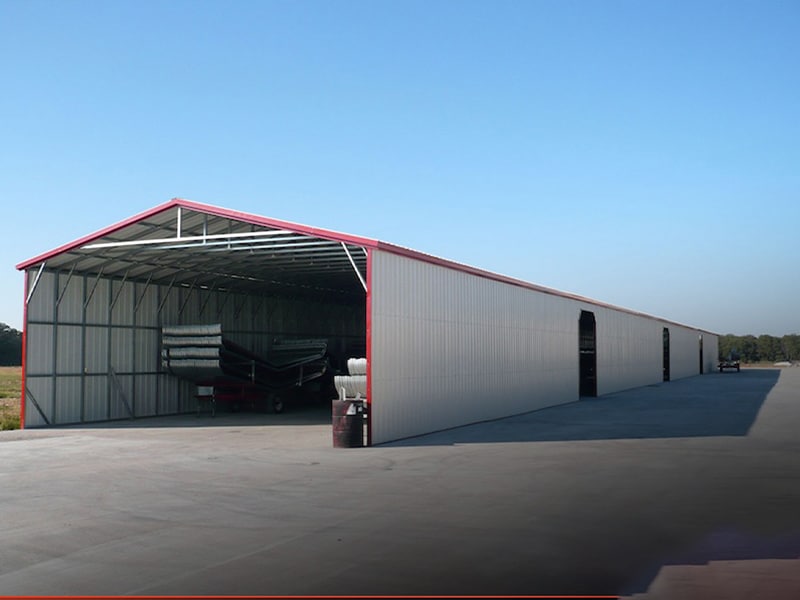
- Vorgefertigte Metallgebäude: Besonders geeignet für großflächige Gebäude wie Industrieanlagen, Lagerhallen, Stadien, Ausstellungszentren, Hangars und Supermärkte.
- Traditionelle Gebäude: Eher geeignet für Wohnhäuser, Bürogebäude, Schulen, Krankenhäuser, die Restaurierung historischer Gebäude und Projekte, die einen einzigartigen ästhetischen Ausdruck erfordern.
- Integration von Technologie und Innovation
- Vorgefertigte Metallgebäude: Hochgradig integriert mit der BIM-Technologie (Building Information Modeling), die die digitale Planung und intelligente Verwaltung erleichtert und die Richtung des industrialisierten Bauens repräsentiert.
- Traditionelle Gebäude: Allmähliche Einbeziehung neuer Technologien, aber immer noch Rückgriff auf traditionelle Handwerkskunst und handwerkliche Erfahrung, wobei eine eher humanistische Wärme erhalten bleibt.
Integrierte Entwicklungstrends
Es ist erwähnenswert, dass die zeitgenössische architektonische Praxis einen Trend zur Verschmelzung dieser beiden Ansätze zeigt:
- Hybride Struktursysteme: Ein traditioneller Betonunterbau gepaart mit einem Stahlüberbau.
- Fertigteile aus Beton: Kombination der Vorteile der Vorfertigung mit den Eigenschaften traditioneller Materialien.
- Modulare Gebäude: Das Konzept der Vorfertigung wird bis an seine Grenzen getrieben, um eine umfassende räumliche Modularisierung zu erreichen.
Empfehlungen zur Auswahl
Berücksichtigen Sie bei der Wahl einer Bauweise:
- Projektanforderungen: Funktion, Budget und Zeitvorgaben.
- Standortbedingungen: Topographie, Klima und Transportbeschränkungen.
- Langfristige Planung: Lebensdauer, Erweiterungspotenzial und Wartungsmöglichkeiten.
- Lokale Ressourcen: Materialversorgung, Verfügbarkeit von Fachkräften und gesetzliche Anforderungen.
Schlussfolgerung
Die Metallfertigteilarchitektur und die traditionelle Architektur sind nicht einfach austauschbar, sondern vielmehr zwei architektonische Philosophien, die jeweils ihre eigenen Vorteile haben. Erstere steht für eine standardisierte, effiziente und industrialisierte Zukunft der Architektur, während letztere die architektonische Tradition der Personalisierung, Kunstfertigkeit und humanistischen Wärme verkörpert. Bei konkreten Projekten geht es oft nicht um eine Entweder-Oder-Entscheidung, sondern darum, ein optimales Gleichgewicht auf der Grundlage der Projektcharakteristika zu finden und sogar die Vorteile von beiden kreativ zu integrieren.
Im Zuge der Weiterentwicklung der Gebäudetechnik werden sich beide Bauweisen durch Innovation weiterentwickeln und gemeinsam unsere künftige gebaute Umwelt gestalten und die vielfältigen räumlichen Bedürfnisse der menschlichen Gesellschaft erfüllen.
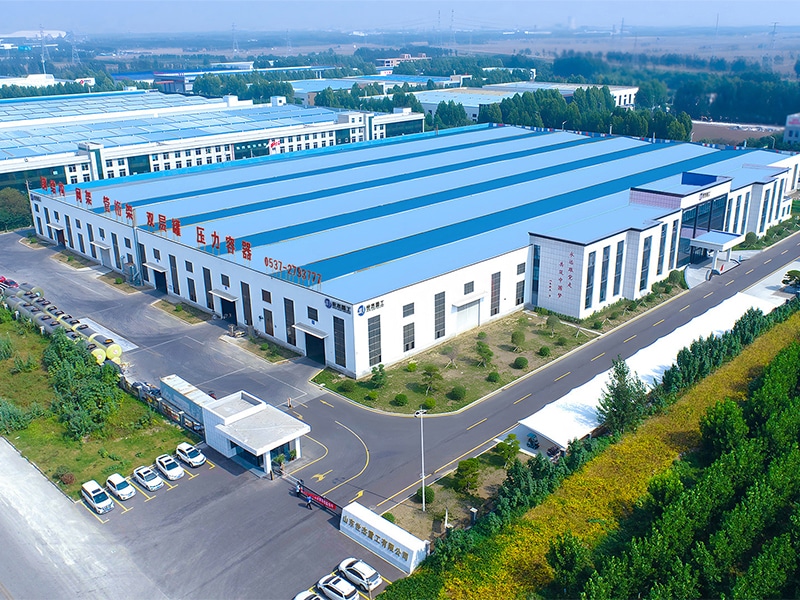
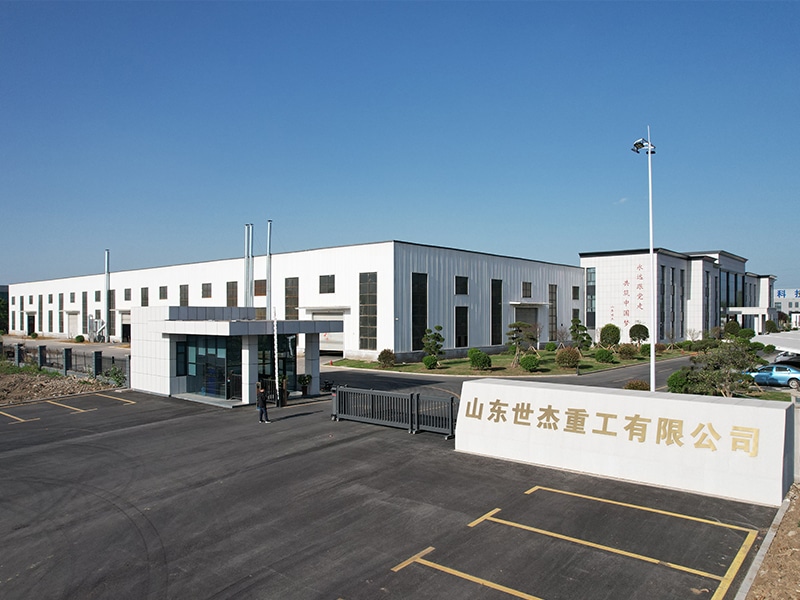

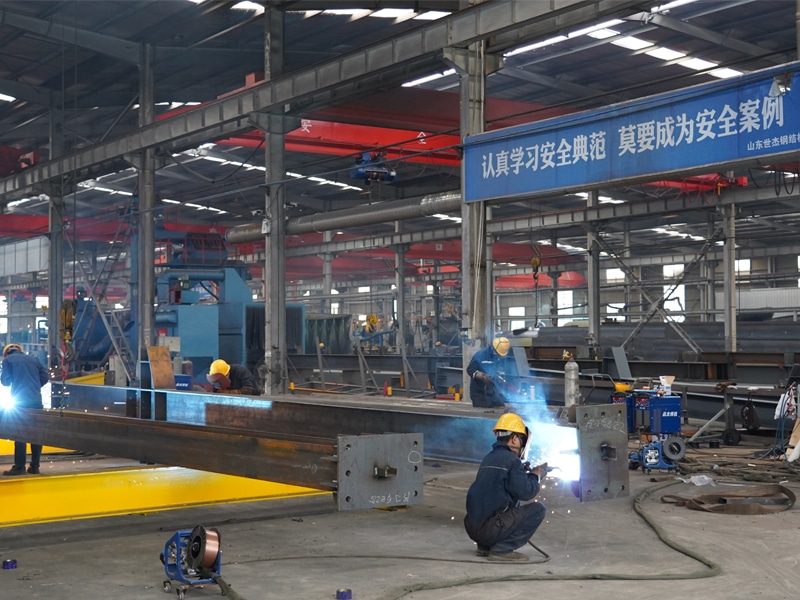
WARUM SDHJIE WÄHLEN?
Der Bau maßgeschneiderter Metallkonstruktionen ist unsere Spezialität.
Weitere Projekte