ما هو مبنى الهيكل الفولاذي؟
عندما ننظر إلى أفق المدن الحديثة، أو ناطحات السحاب الشاهقة، أو الجسور الرائعة التي تمتد على الأنهار، أو القباب المهيبة للملاعب، فغالباً ما تشترك هذه المدن في “هيكل عظمي” داعم مشترك - وهو هيكل فولاذي. ببساطة، مبنى الهيكل الفولاذي هو هيكل مبني أساساً من الفولاذ كإطار حاملة له. وهو ليس مجرد ممثل بارز للتكنولوجيا الهندسية الحديثة فحسب، بل هو أيضًا مفتاح توسع البشرية في ارتفاع المباني وامتدادها وسرعتها.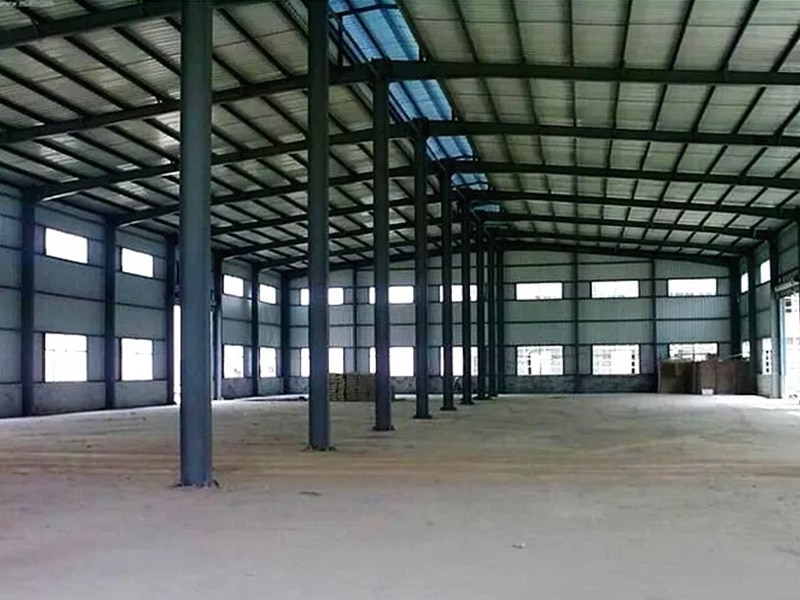
مادة أساسية: مزيج من القوة العالية واللدونة العالية
المكوّن الرئيسي لمبنى الهيكل الفولاذي هو الفولاذ، وفي المقام الأول أنواع مختلفة من الفولاذ (مثل عوارض I، وعوارض H، وزوايا الفولاذ)، وألواح الفولاذ، وأنابيب الفولاذ. وبالمقارنة مع الخرسانة المسلحة التقليدية، يتميز الفولاذ بالعديد من المزايا الهامة:
- قوة عالية ووزن خفيف: قوة الفولاذ أكبر بكثير من قوة الخرسانة. وهذا يعني أن المكونات الهيكلية المصنوعة من الفولاذ لها مقاطع عرضية أصغر حجماً وأخف وزناً تحت نفس الحمل، مما يجعل من الممكن بناء مبانٍ أطول وأكثر مرونة.
- مرونة وصلابة ممتازة: يمكن للصلب أن يتحمل التشوهات الكبيرة دون حدوث كسر مفاجئ، مما يُظهر أداءً زلزالياً جيداً ويقاوم الأحمال الديناميكية مثل الزلازل والرياح القوية بفعالية.
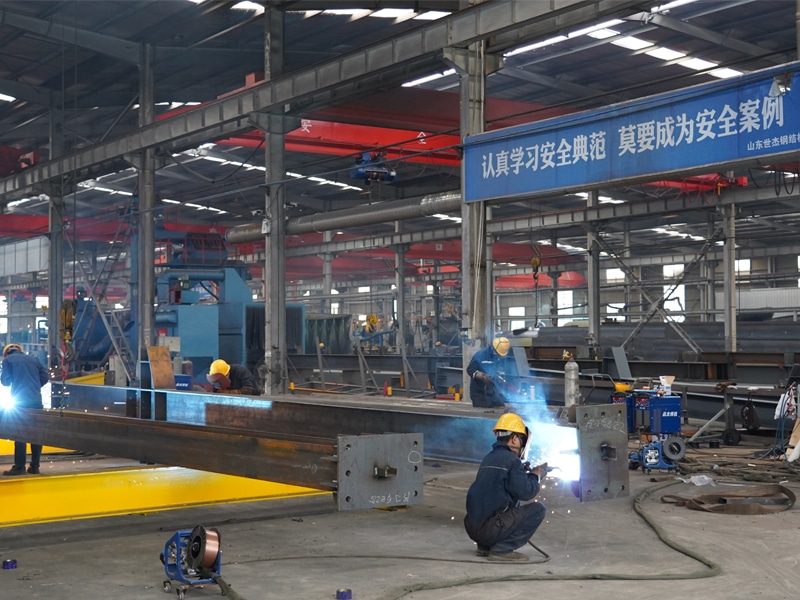
- تصنيع مسبق في المصنع بدقة عالية: يمكن إنتاج مكونات الصلب في مصانع موحدة ودقيقة ثم نقلها إلى الموقع لتجميعها. وهذا يحسن كثيراً من جودة البناء ويقلل من وقت التشييد ويقلل من التأثير على بيئة الموقع.
- بناء سريع، أخضر وقابل لإعادة التدوير: يستخدم البناء في الموقع في المقام الأول عمليات البناء الجاهزة في الموقع، مما يقلل من تأثيرات الطقس ويسرّع العملية بشكل كبير مقارنةً بالطرق التقليدية. وبعد انتهاء العمر الافتراضي للمبنى، يمكن إعادة تدوير الفولاذ بعد انتهاء العمر الافتراضي للمبنى، بما يتماشى مع مبادئ التنمية المستدامة.
الأنظمة الهيكلية الرئيسية: من الهيكل العظمي إلى الفضاء
الهياكل الفولاذية ليست شكلاً واحداً؛ فهي تتطور إلى أنظمة هيكلية مختلفة بناءً على وظيفة المبنى ومتطلباته الجمالية:
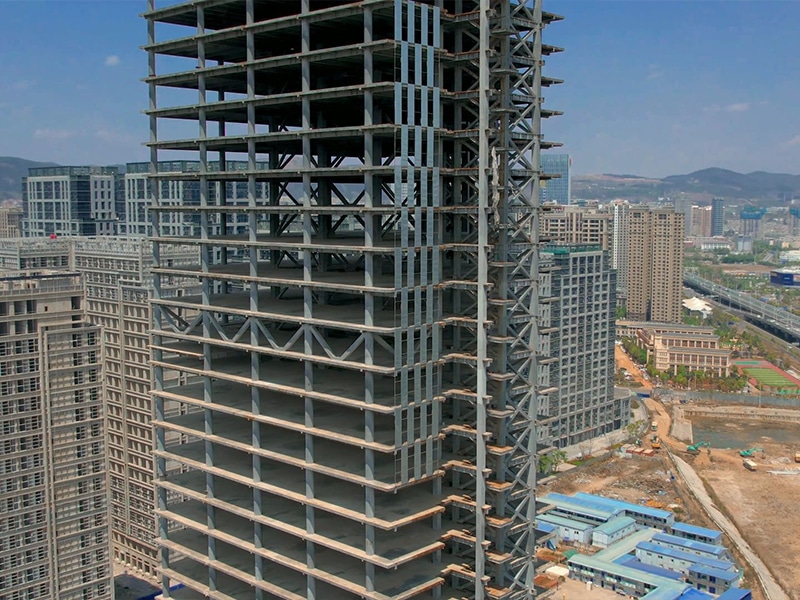
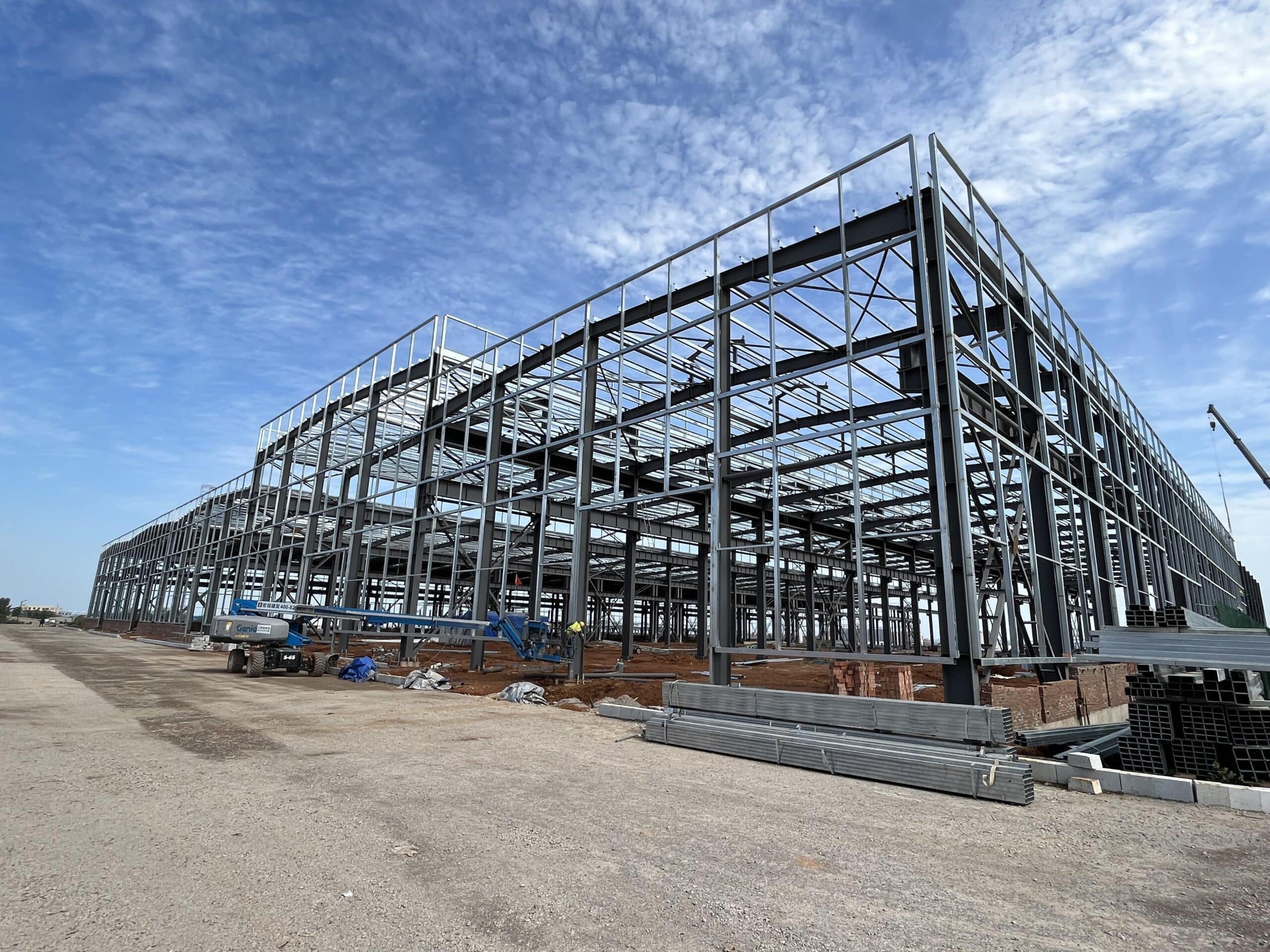
- هيكل الإطار: الشكل الأكثر شيوعاً، ويتألف من عوارض وأعمدة فولاذية متصلة بشكل صلب تشكل إطاراً ثلاثي الأبعاد يتحمل جميع الأحمال الرأسية والأفقية. يستخدم على نطاق واسع في مباني المكاتب الشاهقة ومراكز التسوق والمساكن.
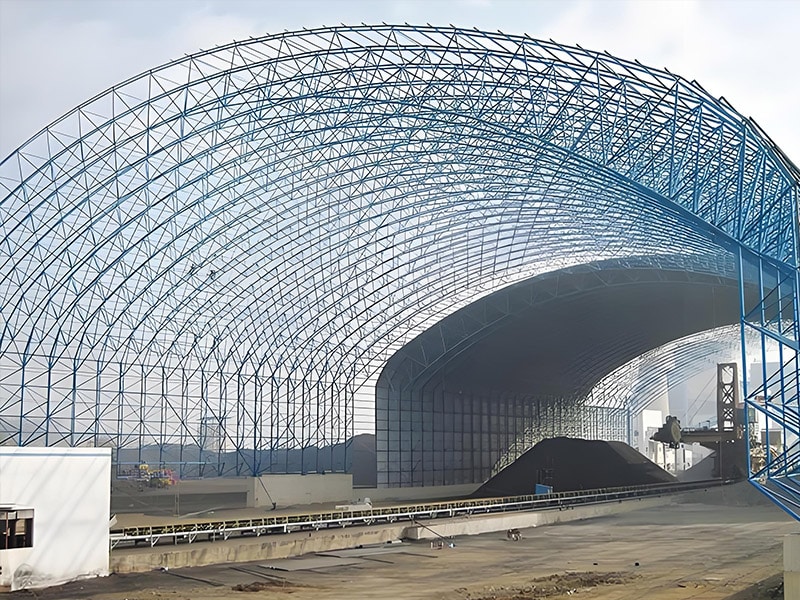
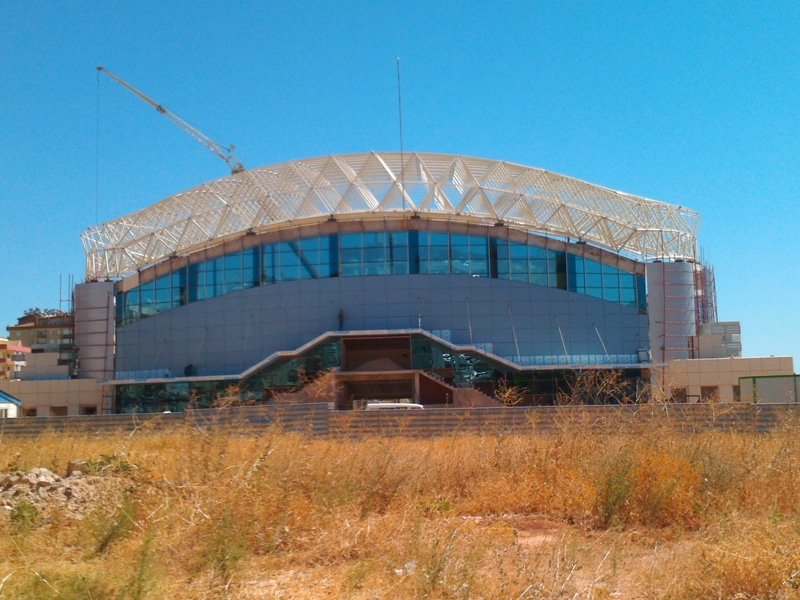
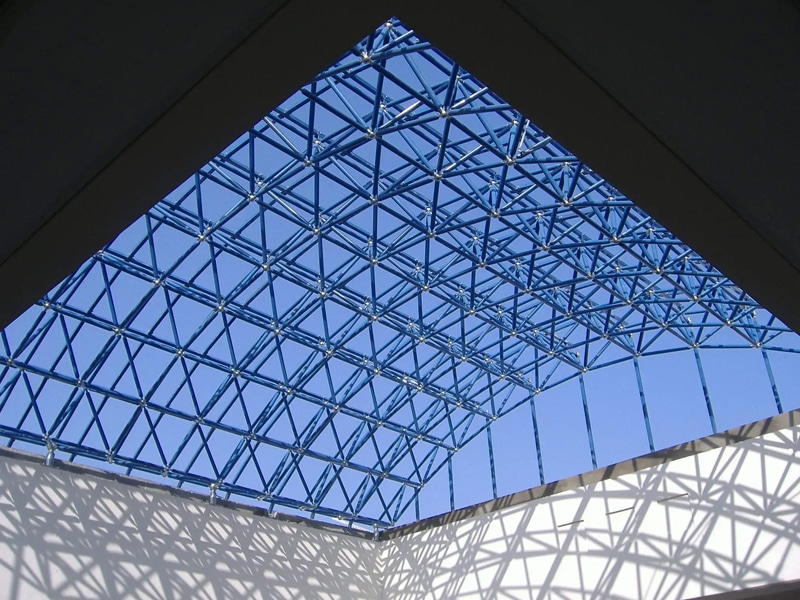
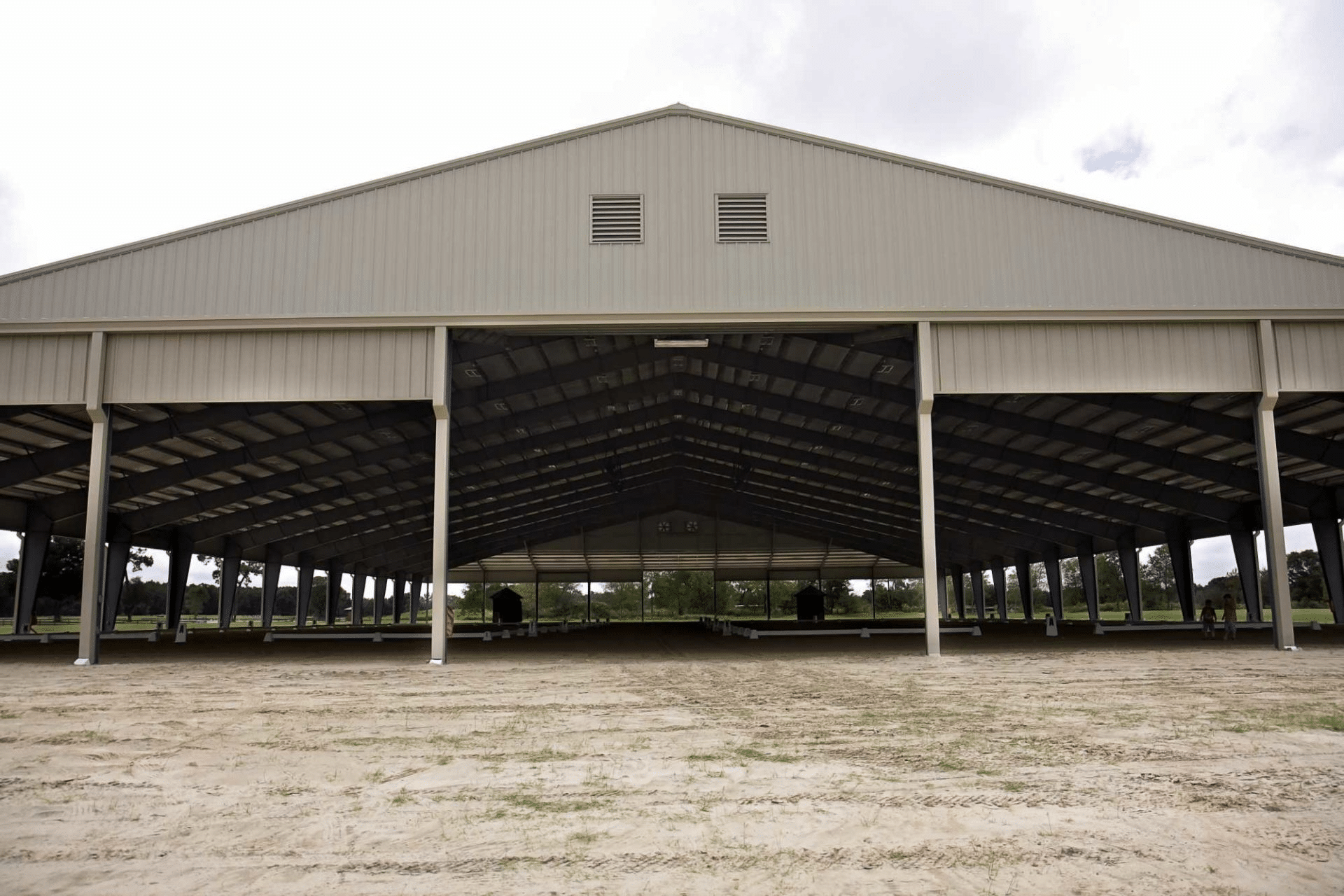
- هيكل الشبكة المكانية: يشمل إطارات الفضاء والهياكل الهيكلية، ويتكون من العديد من الأعضاء المتصلة وفقاً لقواعد معينة لتشكيل نظام مكاني ثلاثي الأبعاد. ويتميز بتوزيع معقول للإجهاد وصلابة عالية وأشكال متنوعة، ويُستخدم عادةً في أسطح الملاعب الكبيرة ومحطات المطارات ومراكز المعارض.
- الهياكل المشدودة: بالاستفادة الكاملة من قوة الشد التي يتمتع بها الفولاذ، تجمع الهياكل الفولاذية بين الكابلات (الكابلات الفولاذية) والأغشية (القماش أو الأغشية الرقيقة) لإنشاء أسقف معبرة للغاية وخفيفة الوزن، مثل أسقف المدرجات في الملاعب والمناظر الطبيعية.
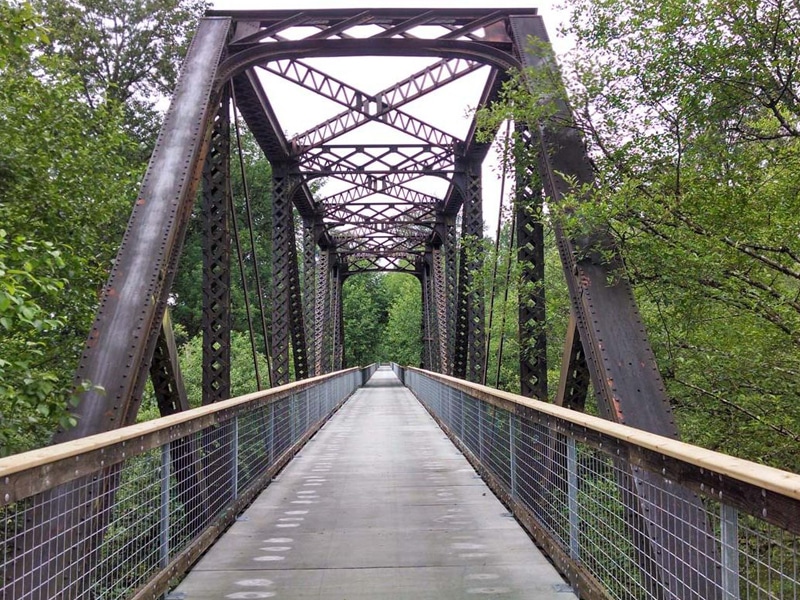
- هياكل الجسور: في هندسة الجسور، تحقق الهياكل الفولاذية، في شكل جسور ذات دعامات وجسور مقوسة وجسور معلقة بكابلات وجسور معلقة، امتدادات طويلة بشكل مذهل.
المزايا والتحديات تتعايش معًا
مزايا كبيرة:
- مُحقِّق للامتدادات الكبيرة والمباني الشاهقة الارتفاع: إنه يحرر المساحة الداخلية، ويخلق قاعات فسيحة خالية من الأعمدة ومعالم المدينة الشاهقة.
- مرادف “البناء السريع”: يمكن اختصار وقت الإنشاء بأكثر من الثلث، مع سرعة دوران رأس المال وفوائد إجمالية كبيرة.
- رائد البناء الأخضر: مواد البناء قابلة لإعادة التدوير، والتلوث الناتج عن البناء منخفض، ويتماشى مع اتجاهات البناء الصناعي والتنمية منخفضة الكربون.
- مرونة التعديل والتعزيز: سهولة التوصيل والتعديل، مما يسهل التغييرات الوظيفية المستقبلية للمبنى.
التحديات التي تواجهها:
- مقاومة الحريق: على الرغم من أن الفولاذ غير قابل للاحتراق، إلا أن قوته تتناقص بشدة في درجات الحرارة العالية. ولذلك، يجب تغطية الهياكل الفولاذية بطبقات أو ألواح مقاومة للحريق لضمان استيفائها للحدود المحددة لمقاومة الحريق.
- مقاومة التآكل: عُرضة للصدأ عند تعرضها لبيئات رطبة أو بيئات مسببة للتآكل، مما يتطلب طلاءات منتظمة مضادة للتآكل أو استخدام مواد خاصة مثل الفولاذ المقاوم للعوامل الجوية.
- الثبات والتواء: قد تعاني المكونات الفولاذية النحيلة من مشكلات في الثبات تحت الضغط، مما يتطلب حسابات دقيقة وتصميمًا عقلانيًا.
- حساسية التكلفة: تؤثر التقلبات في أسعار الصلب بشكل كبير على التكلفة الإجمالية للمشروع.
مجالات التطبيق: القوة الشاملة للصلب في كل مكان
تغلغلت الهياكل الفولاذية في كل ركن من أركان المجتمع الحديث:
- المباني العامة: الملاعب (مثل “عش الطيور” في بكين)، والمسارح، والمطارات، ومحطات السكك الحديدية عالية السرعة، ومراكز المعارض الكبيرة.
- المباني التجارية والسكنية: مباني المكاتب الشاهقة، ومراكز التسوق، والمباني السكنية الصناعية.
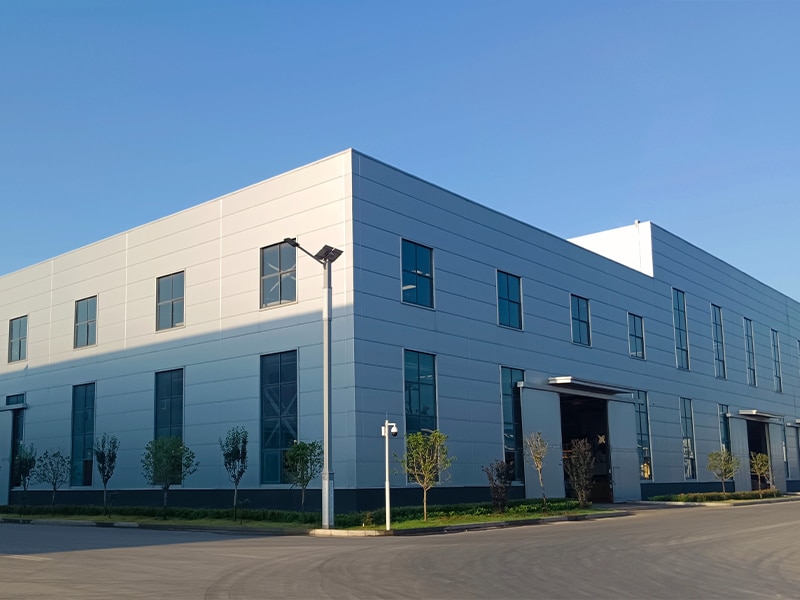
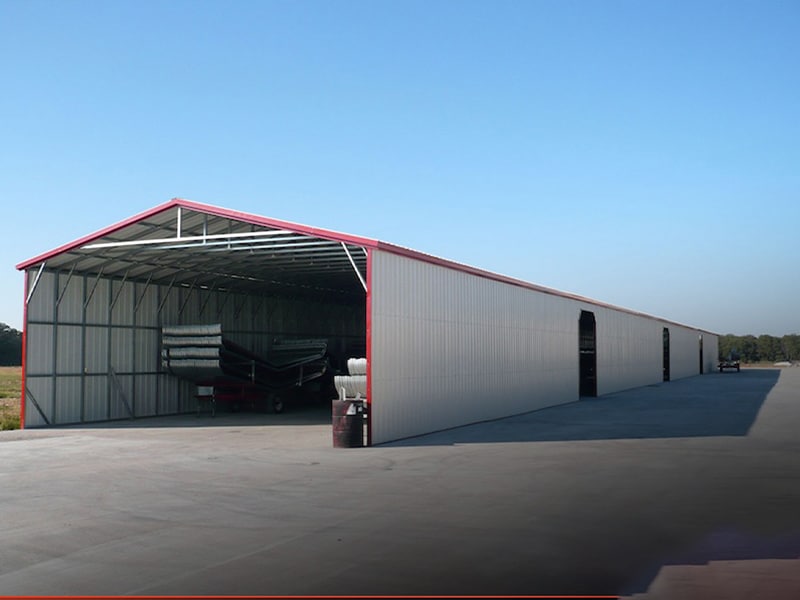
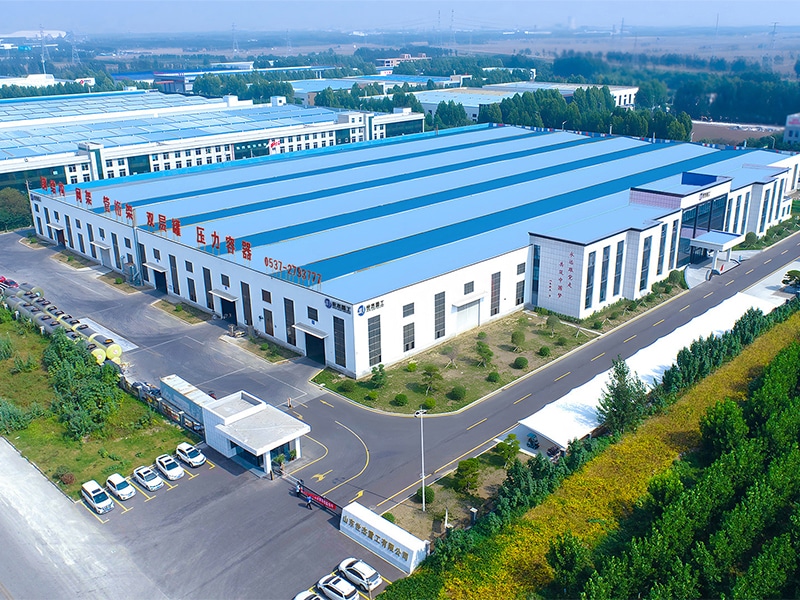
- المباني الصناعية: المباني الصناعية الثقيلة، ومحطات الطاقة، ومنشآت البتروكيماويات، والمستودعات الكبيرة.
- البنية التحتية: الجسور، وأبراج النقل، وأبراج الاتصالات، ومنصات النفط البحرية.
- المجالات الناشئة: المباني المعيارية ومراكز البيانات والمستودعات اللوجستية ومساكن الطوارئ سريعة الإنشاء.
الحالات الكلاسيكية: التعبير الشعري عن الفولاذ
- برج إيفل (باريس، فرنسا): أُعجوبة هندسية من أواخر القرن التاسع عشر، تُظهر جمالياته الهيكلية الخالصة قدرة الفولاذ على تشكيل الرموز الحضرية.
- مبنى إمباير ستيت (نيويورك، الولايات المتحدة الأمريكية): مثال رئيسي على ناطحات السحاب ذات الهياكل الفولاذية المبكرة، حيث كان هيكله ذو الإطار الفعال “أطول مبنى في العالم” في ذلك الوقت.
- الاستاد الوطني (“عش الطائر”، بكين، الصين): يُظهر هيكله الفولاذي العملاق المنسوج الفولاذي المعقد التعبير الأمثل عن الهياكل الفولاذية الحديثة من حيث الشكل والوظيفة.
- برج خليفة (دبي، الإمارات العربية المتحدة): أطول مبنى في العالم اليوم، يستخدم قلبه وإطاره الخارجي مزيجاً من الخرسانة المسلحة عالية الأداء والهياكل الفولاذية.
التوقعات المستقبلية: تطور الذكاء والتنمية الخضراء
وبالنظر إلى المستقبل، تتطور مباني الهياكل الفولاذية نحو مزيد من الذكاء والممارسات الأكثر مراعاة للبيئة والأداء العالي:
- التكامل مع البناء الذكي: الجمع بين نمذجة معلومات المباني (BIM) والتوائم الرقمية والمعالجة الآلية الآلية والتركيب الآلي لتحقيق إدارة محسنة طوال دورة الحياة بأكملها.
- استخدام مواد جديدة: يؤدي الاستخدام الأوسع نطاقاً للصلب عالي القوة والصلب المقاوم للعوامل الجوية والصلب المقاوم للصدأ والهياكل المركبة من الصلب والخرسانة إلى تعزيز الأداء والمتانة.
- الوحدات النمطية والتكامل: يسمح تصنيع الوحدات النمطية في المصانع بدمج الهيكل والمغلف والمعدات والتشطيبات بشكل كبير، مما يسمح ببناء المنازل مثل “لبنات البناء”، مما يحدث ثورة في جودة البناء وكفاءته.
- الاستجابة لأهداف الكربون المزدوجة: كممثل للمواد القابلة لإعادة التدوير، ستلعب الهياكل الفولاذية دورًا أكثر مركزية في المباني الخضراء والمباني التي لا تستهلك سوى قدر ضئيل من الطاقة.
الخاتمة
في الختام, هيكل فولاذي المباني أكثر بكثير من مجرد غابات فولاذية باردة وصلبة. فهي مزيج من القوة والجمال، بل هي مزيج من القوة والجمال، وبلورة للحسابات العقلانية والإبداع الفني. من مصانع الثورة الصناعية إلى مدن السماء في عصر المعلومات، دفعت الهياكل الفولاذية باستمرار الحدود المادية والخيالية للهندسة المعمارية البشرية. وبفضل قوته الكامنة وسرعته ومرونته، فإنه يستمر في تشكيل مساحات معيشية أكثر كفاءة واستدامة وإثارة لنا. وفي إطار السعي إلى إنشاء مبانٍ أطول وأخف وزناً وأكثر اخضراراً وذكاءً، ستستمر الهياكل الفولاذية بلا شك في لعب دور لا غنى عنه.

المزيد من المشاريع