
Hybrid Buildings vs. All-Steel Structures: Which is Right for You?
In the field of modern architecture, hybrid buildings and all-steel structures are two mainstream structural forms, each with unique characteristics and applicable scenarios. Choosing the right structural type is crucial for the project’s economy, functionality, and sustainability. This article compares these two building types from multiple dimensions to help you make a more informed choice.

I. Basic Concepts
- Hybrid Buildings
Hybrid buildings typically refer to building forms that combine two or more structural materials and systems. The most common hybrid forms include:
· Steel frame combined with a concrete core
· Concrete substructure + steel superstructure
· Reinforced concrete frame combined with a timber structure
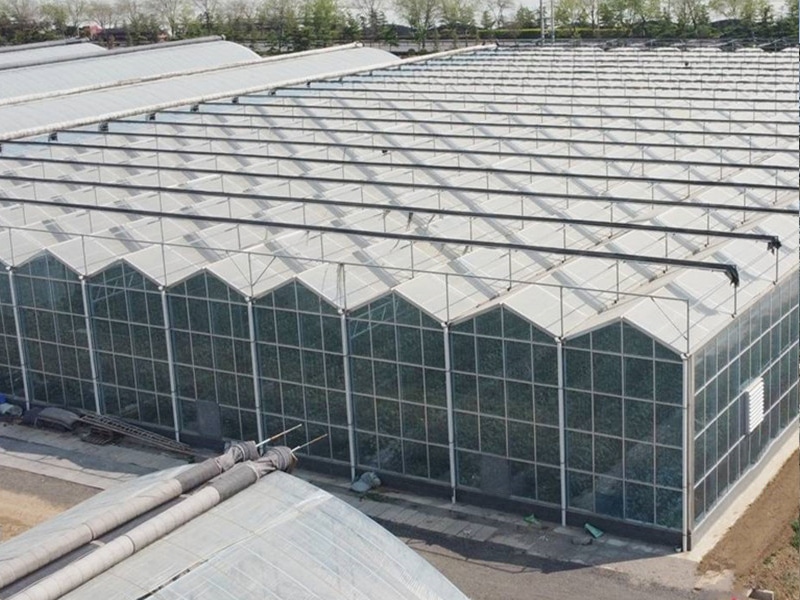
· Steel structure combined with a glass curtain wall system
- All-Steel Structures
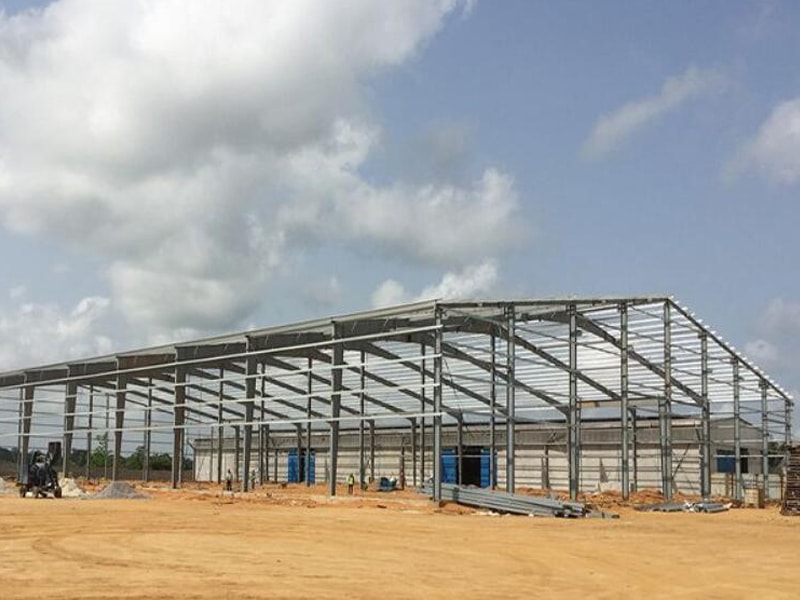
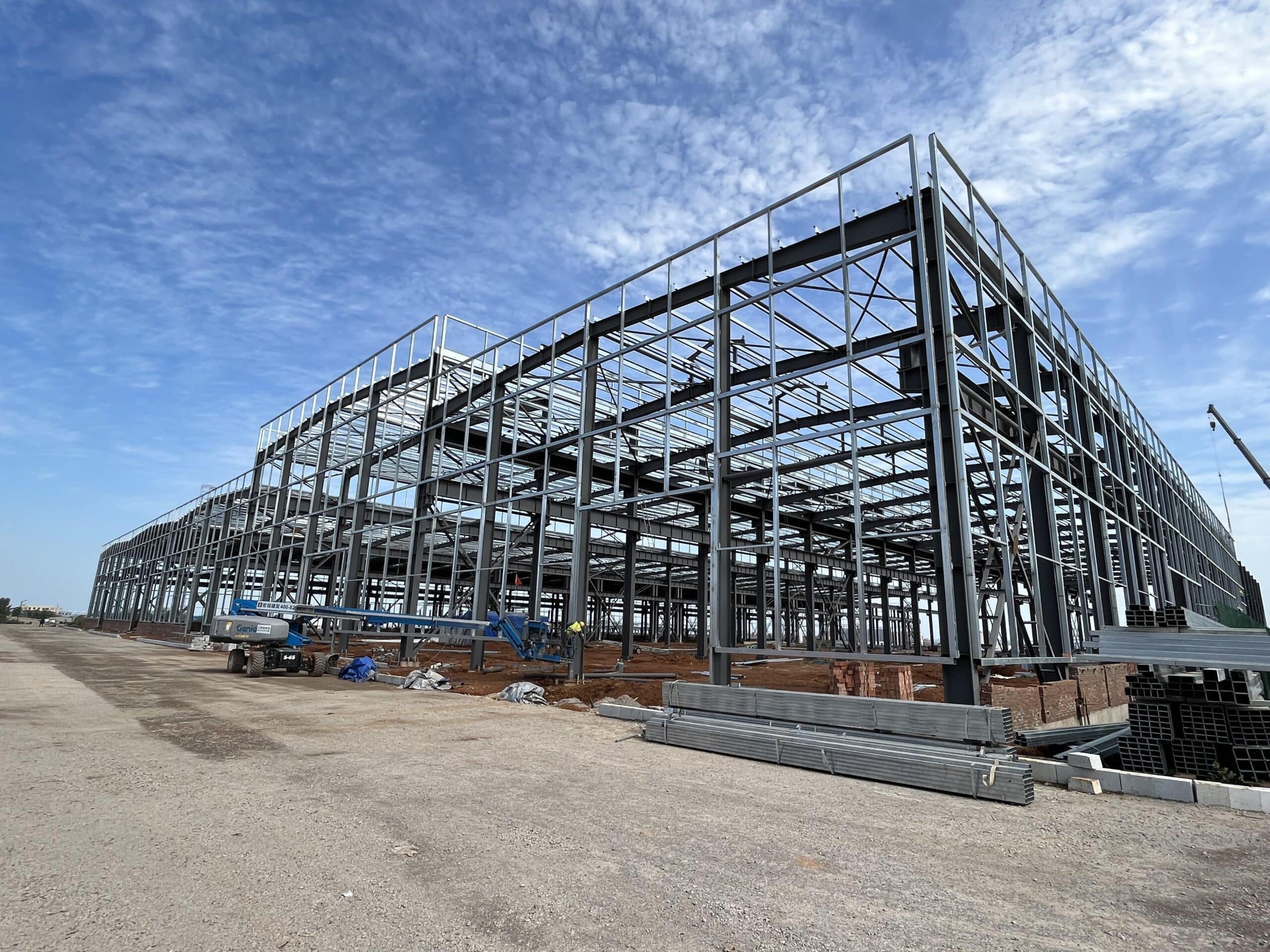
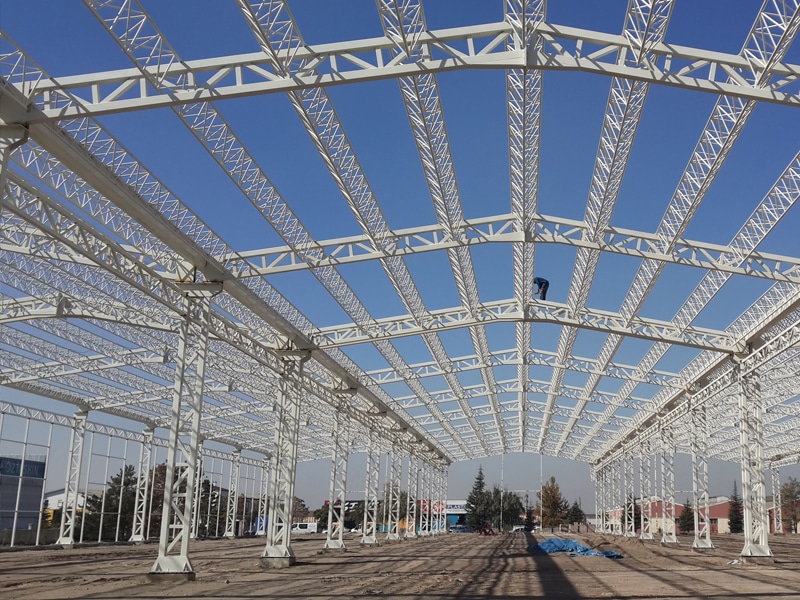
All-steel structure buildings primarily use steel as the core material for the load-bearing structure, including components such as steel columns, steel beams, and steel trusses, usually combined with floor slabs and lightweight enclosure structures.
II. Comprehensive Comparative Analysis
Comparison Dimensions: Hybrid Buildings vs. All-Steel Structure Buildings
Construction Speed: Medium vs. Fast (Many prefabricated components, quick on-site installation)
Construction Cost: Medium to High vs. Lower initial cost, but requires consideration of fireproofing and corrosion protection
Structural Flexibility: High (Materials can be selected according to different regional needs) vs. Medium (Unified materials limit design variations)
Space Utilization: High (Flexible column grid layout, adjustable span) vs. Medium (Limited by steel specifications)
Seismic Performance: Excellent (Complementary different materials, strong energy dissipation capacity) vs. Good (Good steel toughness, but requires special node design)
Durability: Very High (Long lifespan of concrete components) vs. High (But requires regular maintenance and corrosion prevention)
Sustainability: High (Can be combined with various environmentally friendly materials) vs. Medium (High energy consumption in steel production, but recyclable)
Design Complexity: High (Requires coordination of different materials and systems) vs. Low (Relatively unified system)
III. Applicable Scenarios Analysis
Situations where hybrid buildings are chosen:
- 1. High-rise or super high-rise buildings: Concrete core tubes provide good lateral force resistance, while steel frames enable large-span spaces.
- Multi-functional complexes: Different areas can choose the most suitable structural form (e.g., large-span steel structures for commercial areas, concrete structures for residential areas).
- Buildings sensitive to sound and vibration: Such as hospitals and laboratories (concrete sections offer better sound insulation).
- Projects seeking unique aesthetic expression: Mixed materials can create rich facade effects.
- Long-term holding projects: Hybrid structures typically have a longer lifespan and relatively lower maintenance costs.
Situations where all-steel structures are chosen:
- Industrial plants and warehouses: Projects requiring large spaces and rapid construction.
- Mid- to low-rise commercial buildings: Such as shopping malls and exhibition halls.
- Time-sensitive projects: High prefabrication significantly shortens the construction period.
- Buildings requiring future expansion or renovation: Steel structures are relatively easy to disassemble and reassemble.
- Projects with limited budgets but requiring rapid production.

IV. Decision-making considerations
- Project budget and timeline
· If the budget is tight and the construction period is urgent, all-steel structures are usually more advantageous.
· 1. Economical Considerations: If long-term value is prioritized and construction timelines are relatively flexible, hybrid construction may be more economical.
- Functional Requirements:
- Large, column-free spans: Both are viable, but all-steel structures typically have a greater span limit.
- Good sound insulation and thermal quality: Hybrid (including concrete) construction is superior.
- Frequency of interior modifications: All-steel structures offer greater flexibility.
- Site Conditions and Geographical Factors:
- Earthquake-prone areas: Hybrid construction (including concrete shear walls) generally offers better seismic performance.
- Humid or corrosive environments: Careful evaluation of the protective costs for both structures is necessary.
- Sustainability Goals:
- LEED and other green certification goals: Hybrid construction can utilize more local materials and offers better thermal quality.
- Material recyclability: Steel has an extremely high recycling rate (up to 98%).
- Aesthetic Design Requirements:
- Hybrid construction: Material contrasts can create rich visual effects.
- All-steel structures: Can showcase sophisticated industrial aesthetics, especially suitable for modern minimalist styles.
V. Future Trends and Innovations:
Both building types have been continuously evolving in recent years:
- Hybrid buildings are increasingly integrating low-carbon materials (such as engineered wood and recycled concrete).
All-steel structures are seeing continuous advancements in fire and corrosion protection technologies, reducing maintenance costs.
Both types are moving towards modularization and prefabrication, improving construction efficiency and quality control.
Intelligent monitoring systems can be integrated into both types of structures to achieve real-time monitoring of building health.
VI. Conclusions and Recommendations
No single building structure type is suitable for all projects. Your choice should be based on:
- Clear Priorities: List the most critical requirements of the project (cost, time, functionality, aesthetics, sustainability)
- Professional Consultation: Communicate in-depth with architects and structural engineers to compare detailed options.
- Life Cycle Analysis: Consider not only construction costs but also operation, maintenance, and potential renovation costs.
- Local Factors: Local material availability, construction technology levels, and climate conditions will all influence your choice.
Generally speaking:
- If you need to complete a functionally defined building quickly and economically, an all-steel structure may be more suitable.
- If you are pursuing long-term value, uniqueness, and comprehensive performance in your building, and have a relatively ample budget and time, a hybrid building may be a better choice.
Ultimately, the best structural choice is the one that best balances your functional needs, budget constraints, timeframe, and long-term goals. By working with a professional team and carefully analyzing the specific conditions of your project, you will surely find the architectural solution that best suits your needs.





Get in Touch with Us Today
Contact us today to start your journey towards enhancing your steel structure.