The Advantages of Portal Frame Structures and Frame Structures
In modern construction engineering, the choice of structural system directly affects the safety, economy, and applicability of a building. Portal frame structures and frame structures, as two common structural forms, each exhibit unique advantages in different application scenarios. Understanding these differences not only helps engineers make rational design decisions but also is of great significance for project investors in controlling costs and optimizing functional layouts.
I. Portal Frame Structures: An Economical Solution for Large Spaces
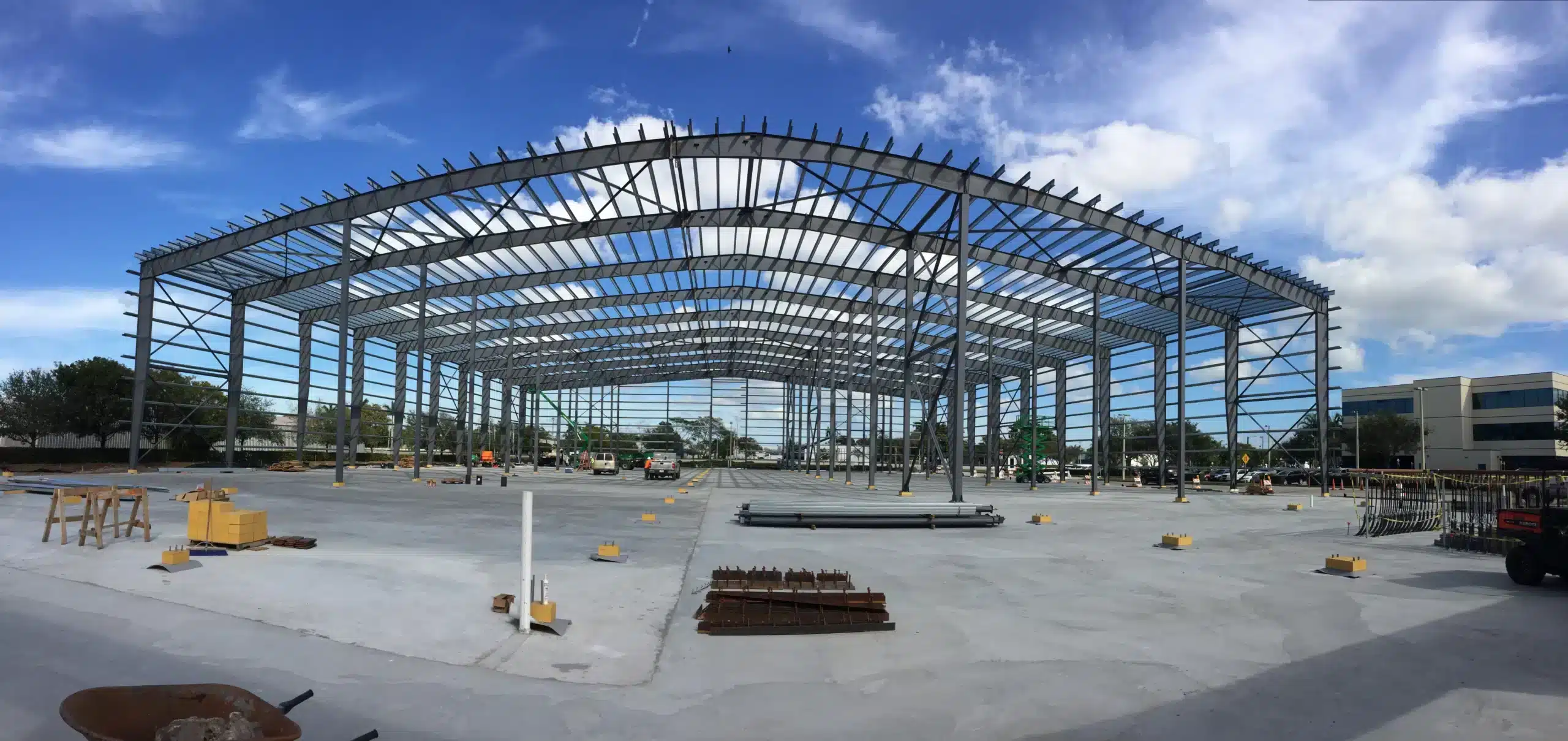
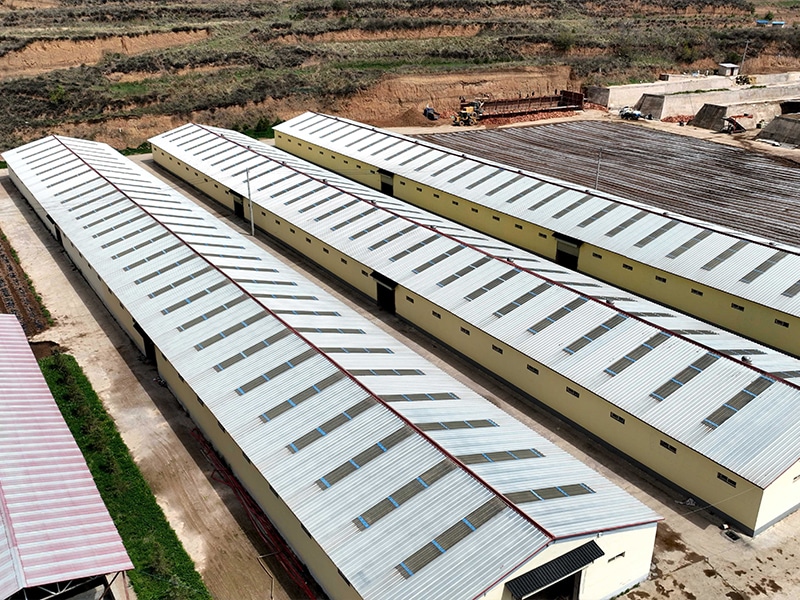
Portal frame structures are a type of lightweight steel structure system. They use a unique “portal”-shaped frame as the main load-bearing component, connecting beams and columns through rigid joints to form a spatial force-bearing system. The most significant advantages of this structure are reflected in the following aspects:
Outstanding economic advantages. Portal frames use lightweight steel, resulting in a lighter self-weight, reducing foundation costs by approximately 30% compared to traditional concrete structures. Highly standardized components facilitate factory prefabrication and rapid on-site installation, significantly shortening the construction period and reducing labor costs. Statistics show that for single-story industrial buildings of the same span, portal frame structures can save 15%-25% of the total cost compared to concrete frame structures.
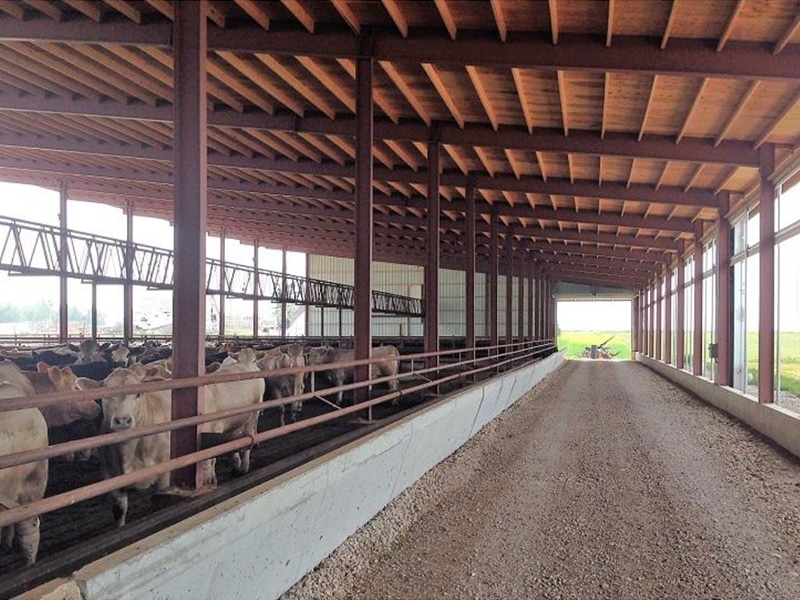
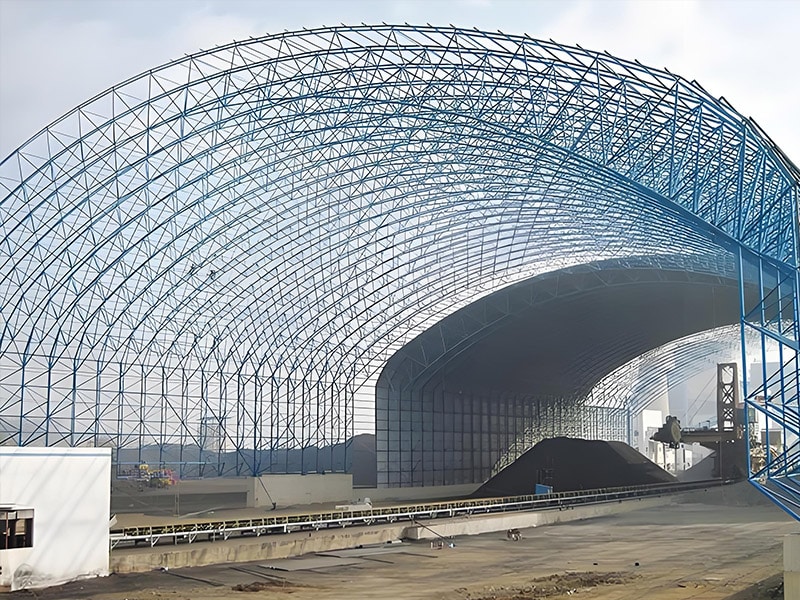
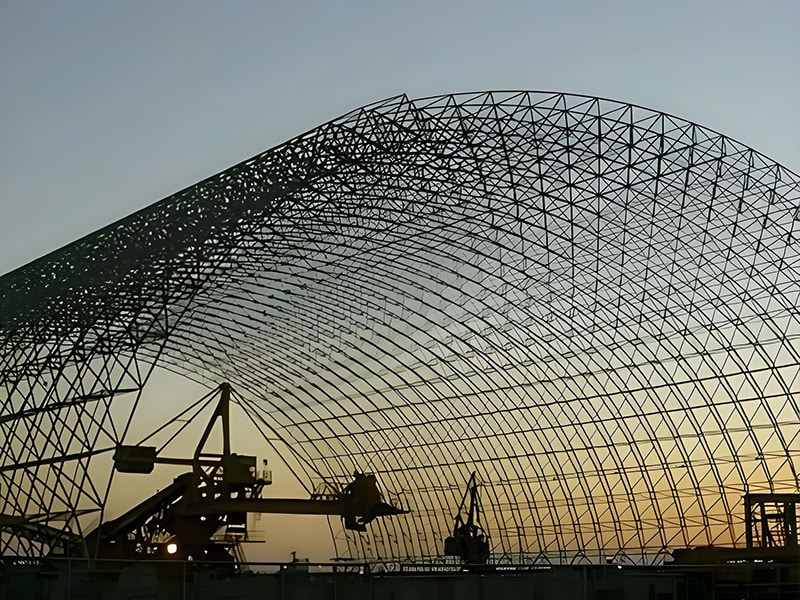
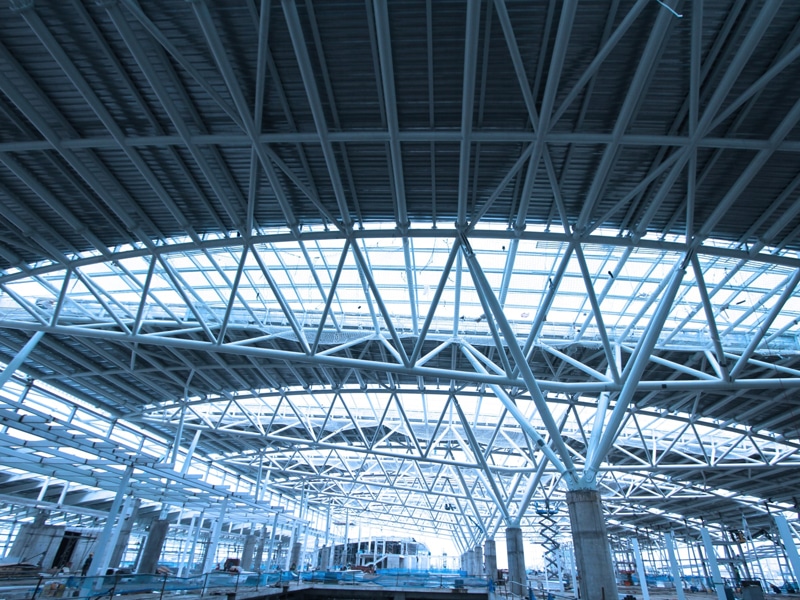
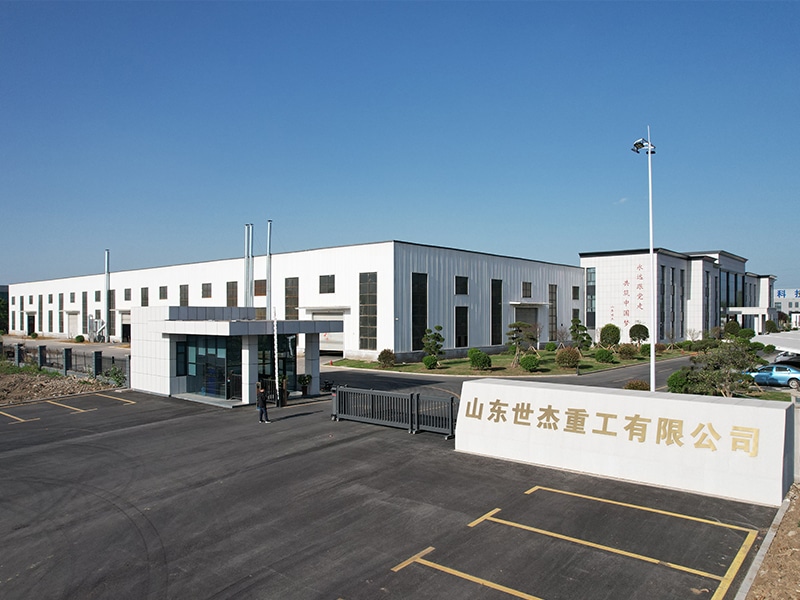
Extremely high space utilization. Portal frames can achieve large-span, column-free spaces, with standard spans reaching 24-36 meters, and special designs even exceeding 60 meters. This open spatial layout is particularly suitable for industrial plants and warehousing and logistics centers requiring large equipment or assembly line production. Simultaneously, its low roof slope (typically 5-10%) reduces unused space, further improving space utilization efficiency.
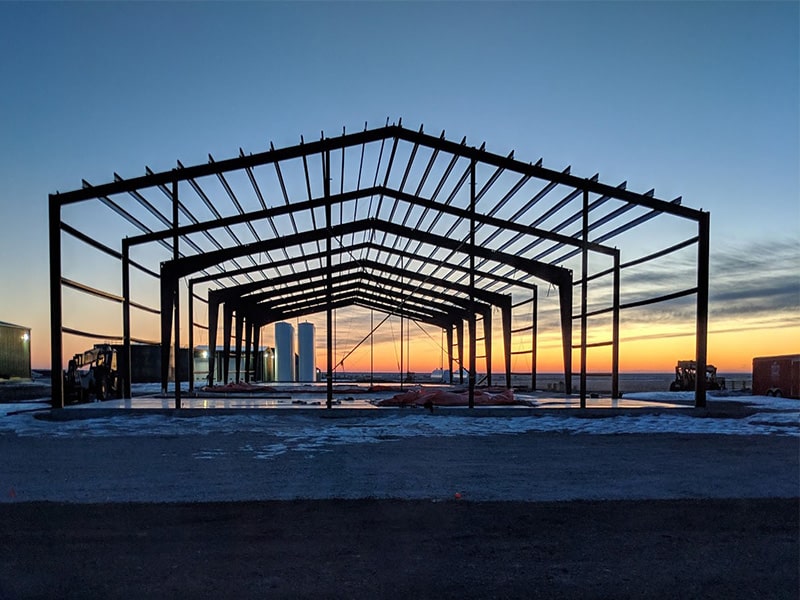
Flexibility and adaptability. This structural system facilitates expansion and renovation, allowing for flexible adjustments to the floor plan according to production needs. The use of lightweight enclosure systems makes it easier to install windows and skylights on the facade, meeting the natural lighting requirements of different functional buildings. Furthermore, portal frame structures have excellent seismic performance, especially in low-rise buildings.
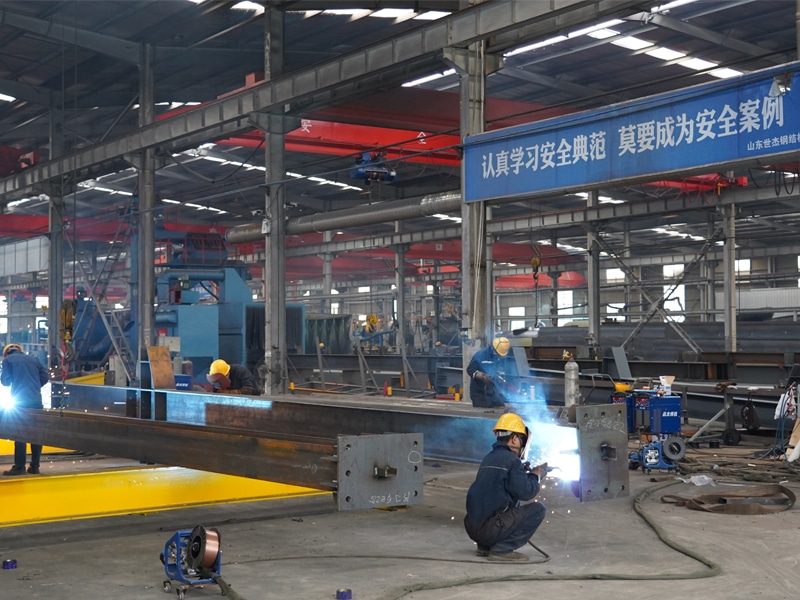
High degree of industrialization. From design and manufacturing to installation, portal frame structures achieve a high degree of standardization and modularization. This industrialized construction method not only ensures controllable quality but also aligns with the trend of modern construction industrialization, making it particularly suitable for emergency facilities and temporary buildings requiring rapid delivery.
II. Frame Structure: A Classic Choice for Multi-Story Buildings
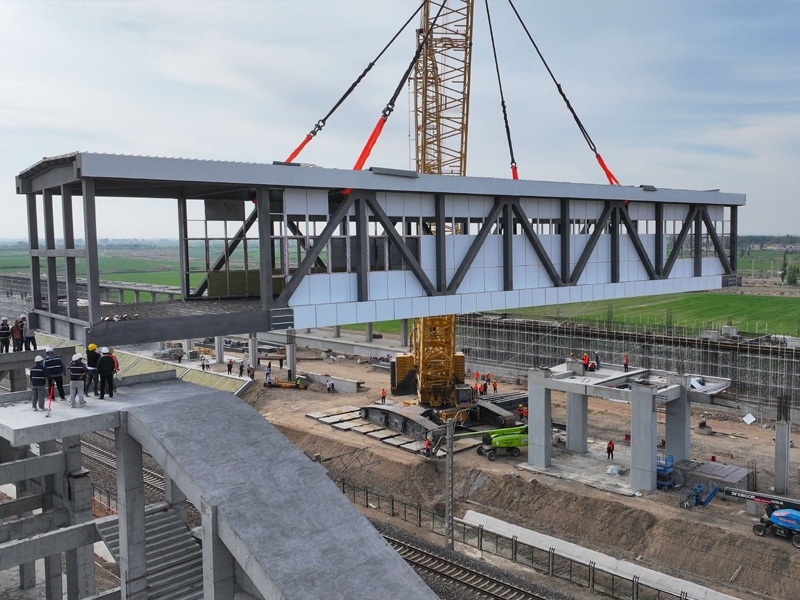
Frame structures consist of beams and columns rigidly connected to form a load-bearing system, with walls serving only as enclosures and partitions. It is one of the most common building structural forms, dominating especially in multi-story and high-rise buildings.
Flexible and Free Spatial Division. The greatest advantage of frame structures lies in the variability of their internal space. Since the walls are non-load-bearing, users can freely adjust the room layout according to their needs. This flexibility is especially important in commercial buildings, office buildings, and residential projects. Frame structures provide architects with greater creative freedom, enabling diverse facade designs and spatial forms.
Strong Vertical Expansion Capability. Compared to portal frames, which are typically limited to single-story or low-rise buildings, frame structures have a significant advantage in height expansion. Through reasonable structural design and material selection, concrete frame structures can easily reach dozens of stories, while steel frame structures can even achieve super high-rise buildings. This vertical expansion capability is invaluable in urban environments where land resources are scarce.
Comprehensive and Balanced Overall Performance. Frame structures offer stable performance in fire resistance, corrosion resistance, and sound insulation, especially concrete frame structures, whose fire resistance rating is far superior to that of steel structures. Furthermore, frame structures boast excellent durability, relatively low maintenance costs, and a long service life. When resisting wind loads and seismic forces, frame structures, through rational structural layout and component design, provide reliable safety guarantees.
The technology is mature and widely adopted. As one of the most traditional structural forms, frame structures have mature design theories, widespread construction techniques, and comprehensive relevant standards. This means that project risks are easier to control, construction teams are easier to find, and material supply is more stable, making them particularly suitable for implementation in areas with limited technical resources.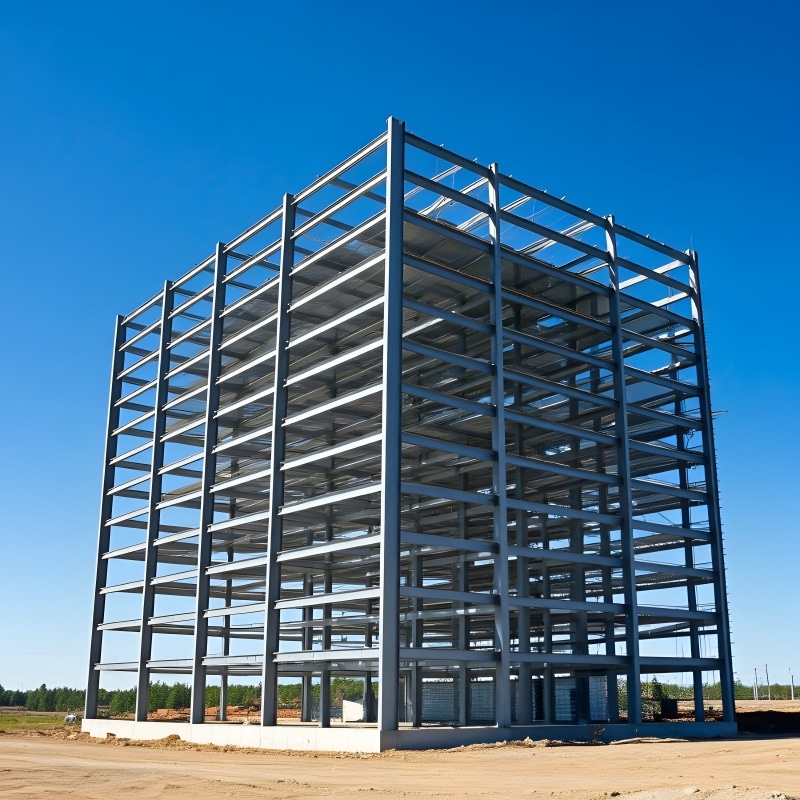
III. The Choice: A Rational Balance Based on Needs
When selecting a structural system in actual engineering projects, multiple factors need to be considered comprehensively:
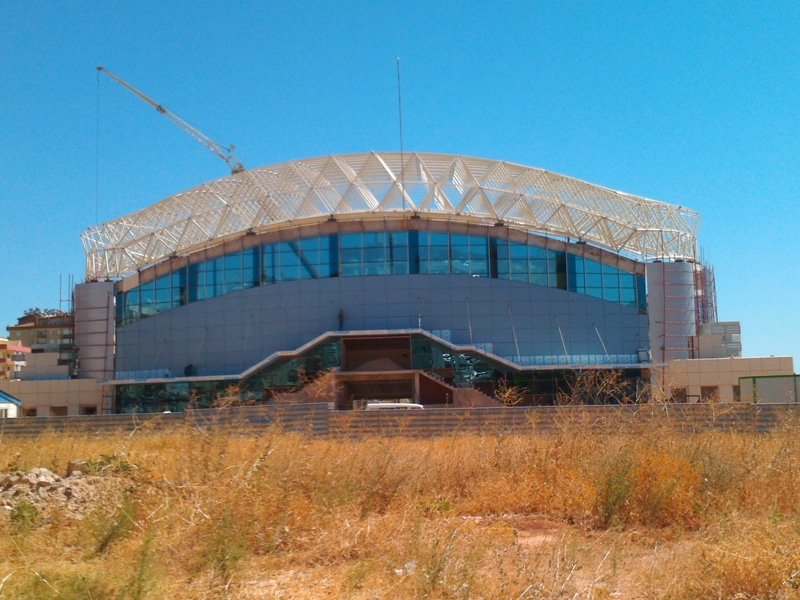
Functional requirements determine the structural form. For single-story, large-span industrial plants, warehouses, and stadiums, portal frames offer significant economic and spatial advantages; while for multi-story office buildings, residential buildings, and commercial centers requiring flexible space partitioning, frame structures are more suitable. Statistics show that portal frame structures account for over 60% of industrial buildings in my country, while frame structures remain the mainstream choice for civil buildings.
A holistic perspective on economic analysis: Initial construction cost is only one part of the economic assessment; maintenance costs, energy consumption, and the building’s life-cycle cost must also be considered. While portal frame structures have lower initial investment, they require regular maintenance for corrosion and fire protection; frame structures may have higher initial costs, but long-term maintenance costs are relatively lower.
Regional and environmental adaptability: In areas with high seismic intensity, the seismic performance of the structure needs to be a primary consideration; in coastal areas, the structure’s corrosion resistance needs to be assessed; in cold regions, the structure’s thermal insulation performance needs to be considered. Portal frame structures require special attention to the design of the support system in strong earthquake zones, while frame structures perform relatively stably in different environments.
Sustainable development considerations: The two structural systems each have their own characteristics in terms of green building: portal frame structures have high material recyclability and less environmental pollution during construction; concrete frame structures have a larger thermal mass, which helps regulate indoor temperature and reduce energy consumption. With the development of prefabricated building technology, both structural systems are evolving towards greater environmental friendliness and efficiency.
Conclusion
Portal frame structures and frame structures each have their advantages. The key to selection lies in a deep understanding of project requirements and a comprehensive assessment of multiple factors, including functionality, economy, and environment. With the development of building technology, both structural systems are constantly evolving: portal frame structures are developing towards larger spans and higher efficiency; while frame structures are achieving better performance and sustainability through the application of new materials and processes.
In the future, the selection of building structures will become more refined and intelligent, and decision-making methods based on full life-cycle assessment will gradually become industry standards. Regardless of the structural system chosen, the ultimate goal remains the same: to meet people’s functional needs for building spaces in the best possible way, while ensuring safety and reliability, and to create an economical, suitable, and sustainable built environment.

More projects